Culture news and discussion on TalkFuse.
‘I’m a writer but then nobody’s perfect’: how Billy Wilder conquered Hollywood
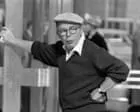
Billy Wilder’s career is celebrated in a major BFI retrospective, highlighting how an émigré from Austria-Hungary became one of Hollywood’s most influential directors and screenwriters. His films, including *Double Indemnity*, *Some Like It Hot*, *Sunset Boulevard* and *The Apartment*, helped define film noir, comedy and cinema about show business.
Born Samuel Wilder in 1906 to a Jewish family, Wilder worked as a journalist and taxi dancer before writing films in Berlin. He fled Nazi persecution via France to Hollywood in 1934, where he collaborated with Charles Brackett and wrote for leading directors, guided by his admiration for Ernst Lubitsch; his later work also addressed alcoholism, journalism and courtroom drama.
In short
- Billy Wilder’s films helped shape several major Hollywood genres.
- He fled rising Nazism and rebuilt his career in Hollywood.
- A BFI retrospective celebrates his remarkable body of work.
Explained simply
Billy Wilder was born in 1906 in what was then Austria-Hungary, into a Jewish family. He worked as a journalist and taxi dancer before writing films in Berlin, then fled Nazi persecution and arrived in Hollywood in 1934.
In Hollywood, Wilder first built his reputation as a screenwriter, often working with Charles Brackett and drawing inspiration from director Ernst Lubitsch. He later directed films across several genres, including crime dramas, comedies and stories about the film industry.
His films helped shape film noir and Hollywood comedy, while also examining subjects such as journalism and alcoholism. A British Film Institute retrospective offers a chance to consider how his work influenced American cinema.
Art Culture Entertainment Film