I’m an Aldi manager and Aussies complain and abuse me about empty shelves and unmanned checkouts – but they have no idea about the cost cutting happening behind the scenes
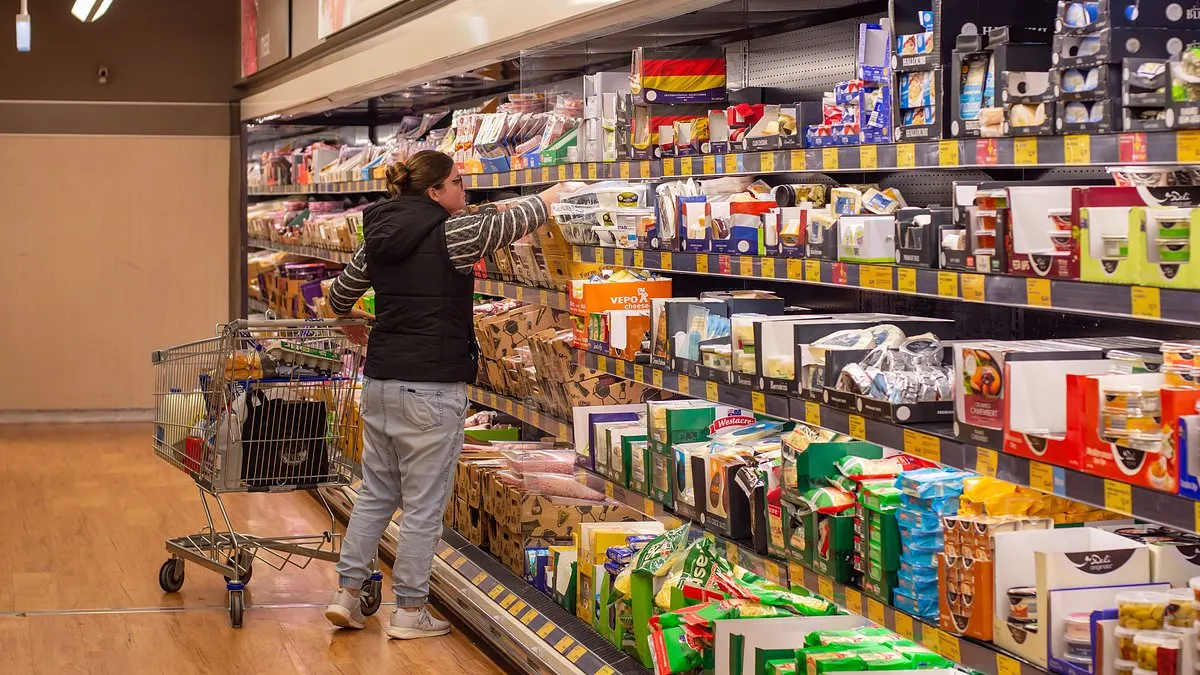
An Aldi manager in Australia says cost-cutting and staffing shortages are leaving workers burnt out and contributing to long queues, empty shelves and products disappearing. The claims help explain why shoppers may find self-service checkouts closed and why staff can be unavailable to help, though the account comes from one employee speaking on social media.
The manager, who said they had worked for the company for more than five years, claimed stores sometimes have only two to four staff on duty, with workers covering tills instead of restocking shelves. They said Aldi is reducing product variety and increasing stock of selected core items, while some gaps on shelves reflect stock left in storerooms for lack of staff time. The employee also said workers have little control over changes to product quality and urged customers to direct complaints to the company rather than store staff.
In short
- An Aldi manager links staff shortages to queues and empty shelves.
- Self-service checkouts may close when workers are needed elsewhere.
- The employee says Aldi is reducing product variety.
Steelman: both sides, in good faith
The strongest fair case each way — we don't pick a winner.
The case for
Aldi’s focus on lower prices and efficient operations may require lean staffing and a narrower range, helping keep costs down for shoppers. If workers are expected to cover checkouts and restocking with too few colleagues, the company should address the resourcing and communication problems rather than leaving frontline staff to absorb customers’ frustration.
The case against
Shoppers can reasonably expect advertised products to be available and checkout services to work, and queues or empty shelves can make a visit frustrating. Aldi also has to manage costs and staffing across its stores, while this account comes from one employee and may not capture the reasons for particular shortages or decisions.
Explained simply
Aldi is a German discount supermarket chain with stores across Australia. Its shops generally offer a smaller range of products than many full-service supermarkets, and shoppers may also find temporary or changing items alongside everyday essentials.
Store staff handle tasks such as serving customers, filling shelves and managing stock. The account in this story comes from one Aldi employee, who says staffing levels and company decisions about costs and product ranges are affecting those tasks; it does not establish how widespread the problems are.
The complaints matter because staffing and stock decisions can shape what customers find in store and how quickly they can get help. Aldi’s management sets company policies, while shop-floor workers may have limited control over them.