Entertainment news and discussion on TalkFuse.
“I’m embarrassed by this”: The 1971 Led Zeppelin song Robert Plant will always regret
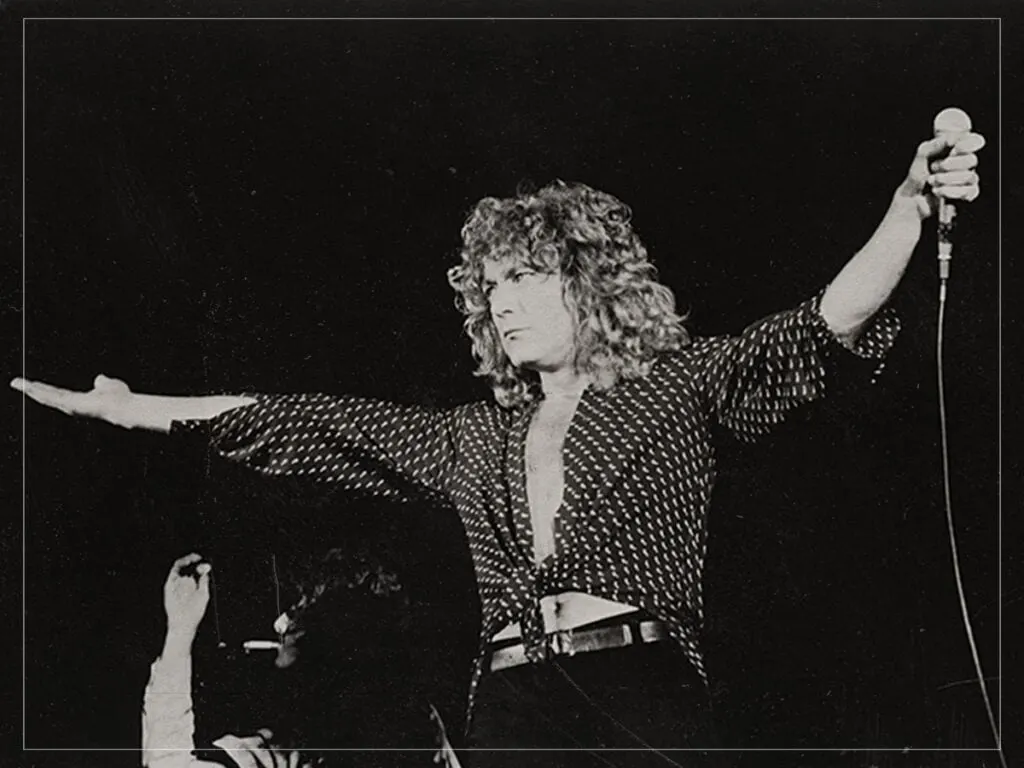
Far Out Magazine revisits Robert Plant's long-standing discomfort with "Stairway to Heaven", the Led Zeppelin track from their untitled fourth album released in November 1971. Despite becoming one of rock's most celebrated and frequently played songs, Plant has repeatedly said he finds its lyrics embarrassing and no longer feels a connection to the words he wrote as a young man. The piece matters because it reflects a broader tension for the singer, who has spent decades trying to move beyond a song fans still demand while he views it as a product of naive, overly abstract songwriting.
Plant has explained that the lyrics, laced with mystical and Tolkien-inspired imagery, were written quickly and reflected a mindset he has since outgrown, admitting in past interviews that he found the words "pompous" and that he had "no intention" of writing in such an abstract style again. He has previously spoken of tiring of the song altogether, sometimes calling it "that bloody wedding song" because of its ubiquity at weddings and on classic rock radio, even as it remains a defining Led Zeppelin anthem released on their 1971 album.
In short
- Robert Plant remains embarrassed by "Stairway to Heaven"'s lyrics.
- The song appeared on Led Zeppelin's untitled 1971 fourth album.
- Plant calls the words pompous and no longer relatable to him.
Steelman: both sides, in good faith
The strongest fair case each way — we don't pick a winner.
The case for
Artists should have the freedom to evolve beyond their youthful work and express honest regret without being bound to past creations. Plant's discomfort with lyrics he now finds pompous reflects genuine artistic growth and intellectual integrity. A creator's current understanding of their output deserves respect, and artists shouldn't be held prisoner to the work of their younger selves simply because audiences wish them to be.
The case against
Artistic works acquire independent cultural value once released, and that value shouldn't diminish because the creator's feelings have changed. Millions have found genuine meaning in "Stairway to Heaven," and their connection to it is legitimate regardless of Plant's current regret. The song's influence on music history exists independently of his personal embarrassment, and dismissing it as merely pompous youthful work risks devaluing a genuine artistic achievement that shaped popular culture.
Explained simply
"Stairway to Heaven" is a rock song by British band Led Zeppelin from their fourth studio album, released in 1971. The track has become one of the most recognised and frequently played songs in rock music history. Led Zeppelin, fronted by singer Robert Plant, were among the most influential and successful rock bands of the 1970s.
Robert Plant, who wrote the lyrics, has long expressed embarrassment about them. He has described the words—which draw heavily on mystical imagery and references to fantasy literature—as the naive product of a younger mindset he has since outgrown. Plant has said the lyrics were written quickly and that he has no wish to write in such an abstract style again.
The significance lies in the persistent conflict between the song's iconic status and Plant's longstanding discomfort with it. "Stairway to Heaven" remains one of the most celebrated and recognised tracks in rock music, frequently played on radio and at events worldwide. Yet Plant, despite being forever associated with this iconic song, has spent decades distancing himself from what he now views as an immature work.