I’m president of one of America’s most reliable allies. Here’s how we stand up to Russia
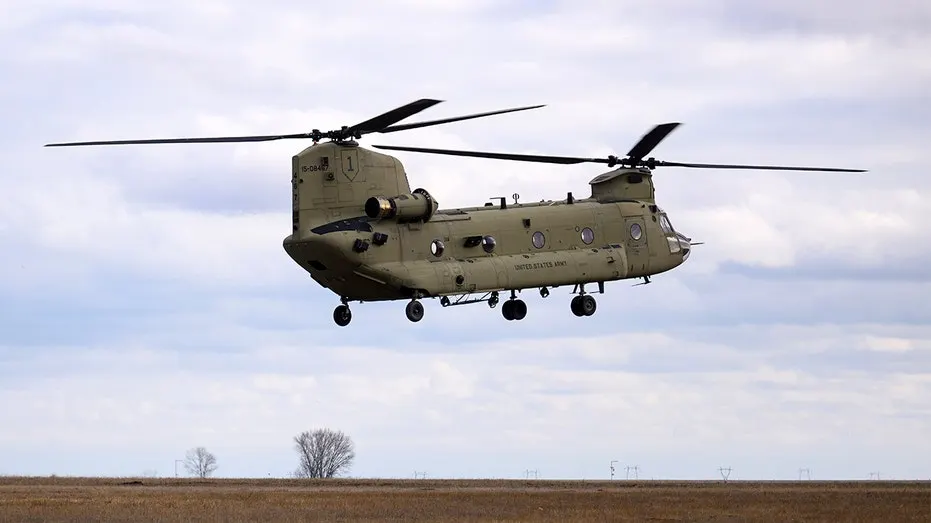
Romanian President Nicușor Dan argues that Russia’s actions near NATO territory, including repeated drone incursions into Romanian airspace, require a stronger and faster allied response. He says Romania’s position on the Black Sea and its long border with Ukraine make it a key part of NATO’s south-eastern defences, and that the country intends to contribute more rather than seek additional American support.
Romania plans to spend 5% of GDP on defence by 2035 and is expanding Mihail Kogălniceanu Air Base through projects valued at roughly €2.5–3 billion. It is also developing a military logistics network and investing in US-made systems including Patriot, HIMARS, F-16 aircraft, Abrams tanks and 32 planned F-35As, with the aim of improving interoperability and rapid deployment with US and NATO forces.
- Romania calls for stronger NATO deterrence against Russia.
- It plans major defence spending and infrastructure upgrades.
- US weapons and logistics underpin Romania’s NATO role.
New here? Start with this
Romania is a member of NATO, the military alliance whose members agree to defend one another if attacked. Since Russia’s full-scale invasion of Ukraine in 2022, NATO countries on the alliance’s eastern edge have paid close attention to military activity near their borders.
Nicușor Dan is Romania’s president, and the country borders Ukraine and has a coastline on the Black Sea. Romania hosts allied forces and is expanding military facilities and transport links, while buying equipment designed to work with US and NATO forces.
These plans relate to wider debates within NATO about how much members should spend on defence and how quickly allies should respond to risks near the alliance’s borders. Romania says it aims to contribute more to its own and collective defence.
Both sides, in good faith
The strongest fair case each way — we don't pick a winner.
The case for
Romania’s proximity to the war in Ukraine and reported drone incursions make a credible case for stronger defences and a quicker allied response. Higher spending, modern equipment and expanded bases could deter further violations, protect Romanian territory and help NATO respond rapidly, while Romania’s willingness to contribute more shares the burden among allies.
The case against
A cautious case is that rapid military expansion and a higher defence spending target carry substantial financial and opportunity costs, so commitments should be weighed against other public needs and assessed for effectiveness. A stronger allied posture could also heighten tensions or risk miscalculation; diplomacy, clear rules for responding to incursions and careful coordination may be needed alongside deterrence.
Business Economy Europe Geopolitics Government Politics World