World news and discussion on TalkFuse.
Imagine 217 days with no daylight – it’s reality for these UK heroes
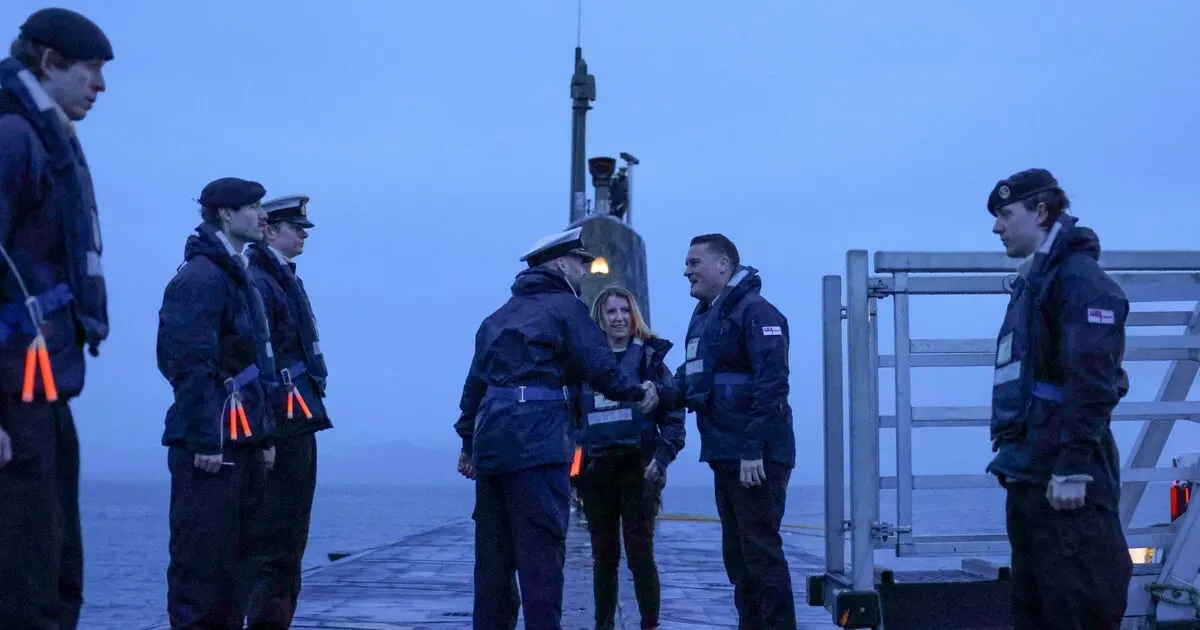
HMS Vengeance returned to Faslane after a 217-day patrol supporting the UK’s continuous at-sea nuclear deterrent, setting a new record for a Royal Navy submarine deployment. The mission highlights the demands placed on submariners, who spend months in isolation, and has renewed concern about the length of patrols.
The crew left on 12 April and, according to the article, could not contact family directly; loved ones could send a weekly “familygram”. Patrols on the Navy’s four Vanguard-class submarines have lengthened amid maintenance problems, with some now exceeding 200 days, compared with a former target of 90. The ageing submarines are due to be replaced by the Dreadnought class in the early 2030s, while the government has pledged more than £63 billion for the Defence Nuclear Enterprise over four years.
In short
- HMS Vengeance completed a record 217-day patrol.
- The crew’s isolation and workload have raised concerns.
- Vanguard patrols have grown longer amid maintenance issues.
Steelman: both sides, in good faith
The strongest fair case each way — we don't pick a winner.
The case for
Supporters of the deterrent argue that continuous at-sea patrols help prevent nuclear attack by ensuring the UK could retaliate even if its land-based forces were destroyed. They may see the 217-day deployment as evidence of the crew’s professionalism and of the need to sustain the mission while replacement submarines are built. In a period of heightened security concerns, they would argue that the cost and strain are justified by the protection deterrence is intended to provide.
The case against
Critics can accept that submariners perform a demanding public service while questioning whether such long patrols are necessary or sustainable. Deployments far beyond the former 90-day target, alongside ageing submarines and maintenance problems, raise concerns about crew welfare, family life and the resilience of the force. They may also argue that the substantial investment in the nuclear enterprise deserves scrutiny against other defence priorities and approaches to security.
Explained simply
The UK’s nuclear deterrent is designed to ensure that at least one nuclear-armed submarine is on patrol at all times. The Royal Navy’s four Vanguard-class submarines take turns carrying out this duty, remaining hidden at sea so they can respond if ordered.
Submariners live and work aboard for months, with limited contact with people at home. Their patrols have grown longer as the ageing fleet faces maintenance demands; a replacement class, called Dreadnought, is planned for the early 2030s. The length of deployments matters to the crew and their families, and to the operation of the deterrent.