IMF warns global economy ‘could soon test the limits of resilience’
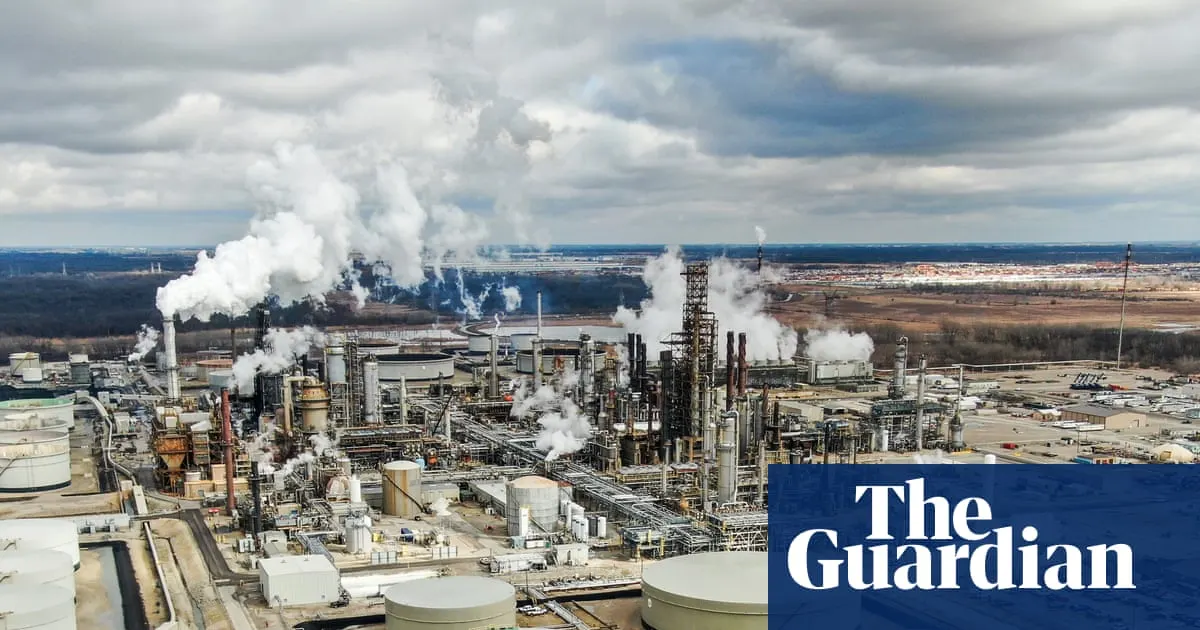
The IMF says the global economy may soon have less capacity to absorb further shocks, despite weathering the Middle East conflict better than expected so far. It warned that depleted emergency oil stocks and stretched government finances could make it harder for countries to shield consumers if energy prices rise again.
The IMF raised its forecast for global growth in 2026 slightly to 3.1%, while leaving its 2027 forecast at 3.4%. It expects UK growth of 1.3% this year, up 0.3 percentage points from July, but cut its 2027 forecast to 1.2%; it also warned that prolonged high oil prices, rising interest rates and further disruption could weigh on growth and keep inflation higher.
- IMF warns depleted oil reserves leave economies more exposed to fresh shocks.
- Global growth forecast for 2026 rises slightly to 3.1%.
- UK growth forecast is 1.3% in 2026 and 1.2% in 2027.
New here? Start with this
The International Monetary Fund is the global organisation that monitors countries' economic health. An economy's "resilience" refers to its ability to handle unexpected shocks—sudden disruptions like conflicts, supply disruptions or energy crises—without causing widespread hardship for citizens.
Countries build resilience through two main mechanisms. They keep emergency reserves, such as oil stocks they can release if supplies tighten, and they maintain healthy government finances so they can spend to protect people from price rises or unemployment. Over recent years, many countries have depleted these buffers whilst dealing with various crises, leaving them with less capacity to respond to new problems.
This matters because economic shocks are inevitable and recurring. When disruptions occur, resilient countries can shield their citizens against rising prices and job losses; less resilient ones struggle to do so. Without adequate buffers, the next major disruption could translate into higher inflation and slower growth, making it harder for households to manage their finances.
Both sides, in good faith
The strongest fair case each way — we don't pick a winner.
The case for
The IMF's caution is warranted. Depleted strategic oil reserves and stretched government finances are real constraints that reduce policy flexibility if another major shock occurs. The organisation is not prophesying crisis but recognising that economies have fewer buffers than they did previously, which prudent policymakers should acknowledge when planning for resilience.
The case against
The evidence suggests the alarm is overstated. The global economy has outperformed expectations despite genuine challenges, growth forecasts have been revised upward for 2026, and there is no imminent crisis evident. The warning risks becoming self-fulfilling by undermining confidence, whilst overlooking how modern economies have adapted and diversified away from energy vulnerability.
Business Cricket Economy Geopolitics Government Markets Politics Sport Technology UK World