New releases, music videos and album news — indie, rap, rock and pop. Always covering Ren, Chris Webby, Sam Tompkins, bbno$, CHINCHILLA, Muse, Yungblud and more.
In 1934, a ‘Best Picture’-winning movie stabbed Cary Grant in the back. It was a betrayal he could never forgive
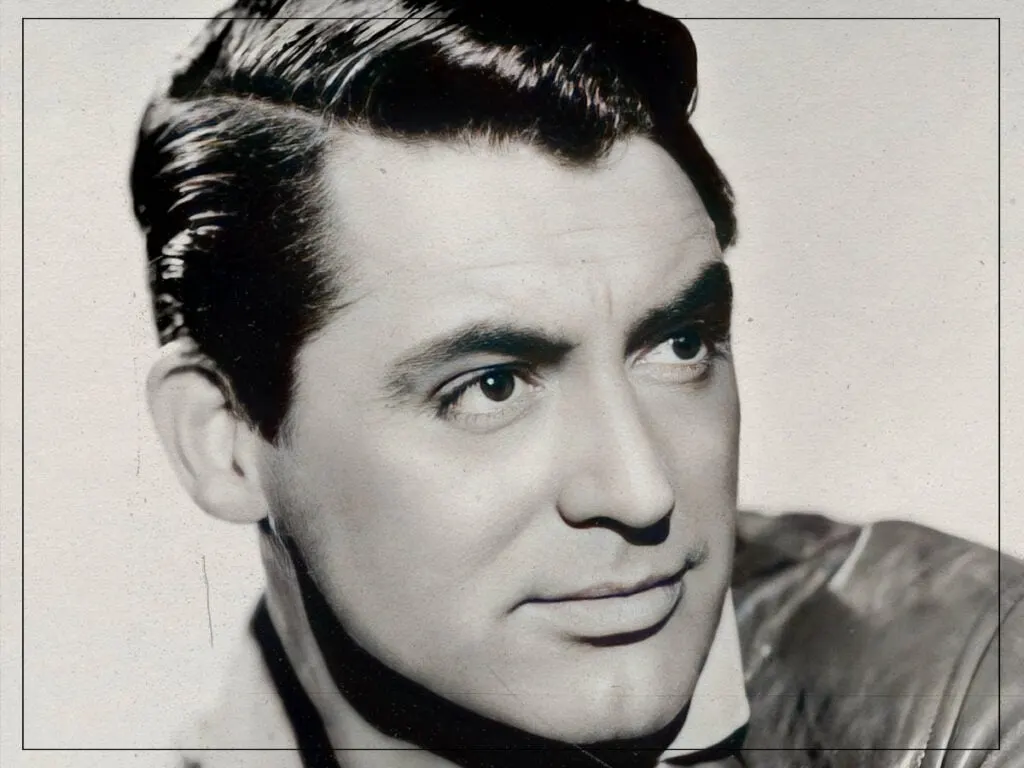
In 1934, MGM asked Paramount to loan Cary Grant for the leading role of Roger Byam in *Mutiny on the Bounty*, but Paramount chief Adolph Zukor refused. The film went on to win Best Picture, and the article argues that losing the role fuelled Grant’s decision to leave the studio system and pursue a freelance career.
Grant was still early in his film career, having made his feature debut in 1932. Franchot Tone took the role and was nominated for Best Actor alongside Clark Gable and Charles Laughton; none won. When his Paramount contract expired the next year, Grant did not renew it and reportedly left the Academy, later becoming a major star in films including *The Awful Truth* and *His Girl Friday*.
In short
- Paramount refused to loan Grant for *Mutiny on the Bounty*.
- The film won Best Picture with Franchot Tone in the role.
- Grant left Paramount and pursued freelance stardom.
Steelman: both sides, in good faith
The strongest fair case each way — we don't pick a winner.
The case for
Grant’s refusal of a studio loan may have shown him how a contract could limit his opportunities, especially when another studio wanted him for a prominent role. If the incident helped prompt him to leave Paramount, pursuing freelance work gave him more control over his career and may have contributed to the choices that made him a major star.
The case against
The article’s claim that this lost role fuelled Grant’s decision is an interpretation of his motives, and the reported sequence alone does not establish that the refusal was decisive. Paramount may have had business reasons for keeping him, while Grant’s later success as a freelancer does not prove that the episode was a betrayal or that leaving was its direct consequence.