In 1963, critics tried to erase a Bob Dylan song from existence. Now, it’s considered an American classic
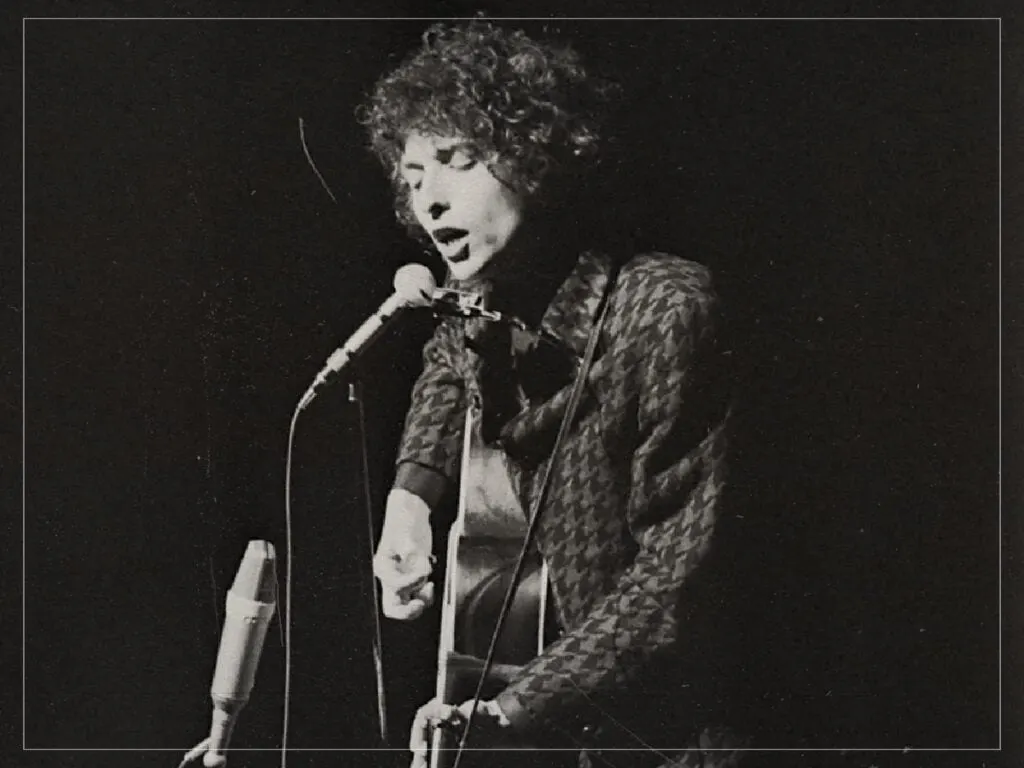
Bob Dylan’s “Blowin’ in the Wind” was criticised soon after its release, with claims that he had not written it himself. The article argues that the song endured because its questions about war, death and injustice continued to resonate.
Dylan recalled that Newsweek first reported a young man from New Jersey had written the song; later accusations linked its melody to a Protestant hymn and an old spiritual. The article says these claims obscured the song’s place in the folk tradition and its lasting impact as a work of protest.
In short
- “Blowin’ in the Wind” faced authorship accusations.
- Dylan said the claims changed over time.
- Its questions about war and injustice still resonate.
Explained simply
Bob Dylan emerged from the American folk music scene in the early 1960s, when singers often adapted traditional tunes and wrote songs about social and political concerns. “Blowin’ in the Wind” posed questions about war, freedom and injustice, without offering easy answers.
Its authorship was disputed, with claims that Dylan had borrowed the song or its melody. Such arguments touched on a wider feature of folk music: songs and tunes were often shared, adapted and passed between performers over time.
The song became associated with protest and the civil rights movement, and later generations continued to hear its questions as relevant. Its place in American music reflects both the folk tradition it came from and the persistence of the issues it raised.