New releases, music videos and album news — indie, rap, rock and pop. Always covering Ren, Chris Webby, Sam Tompkins, bbno$, CHINCHILLA, Muse, Yungblud and more.
In 1965, The Beatles released ‘Norwegian Wood’. Only a week later, The Rolling Stones were cutting their own take on it
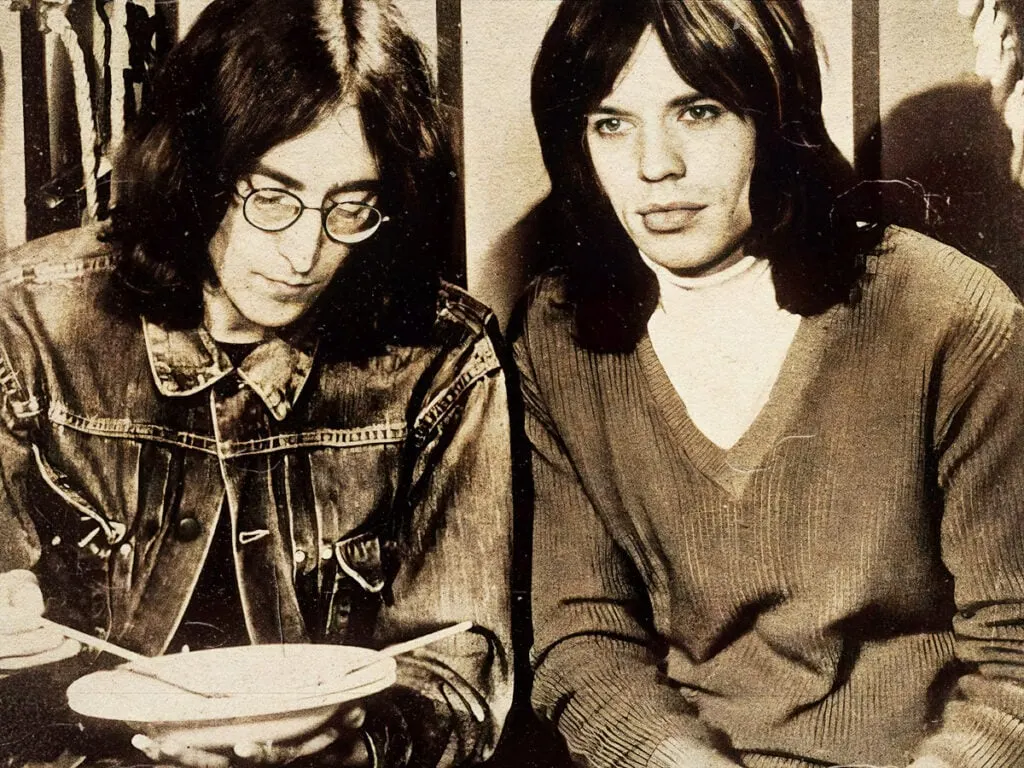
The Beatles’ ‘Norwegian Wood’ helped bring the sitar and Indian classical influences into the sound of popular music. The article says its release also shaped a Rolling Stones recording session a week later, as Keith Richards sought a distinctive sound for ‘Mother’s Little Helper’.
Richards added a ringing 12-string guitar riff, which some people in the studio thought echoed the Beatles track’s sitar part; Brian Jones also played the phrase on a repaired Rickenbacker. ‘Mother’s Little Helper’ appeared on 1966’s *Aftermath*, but was left off the US edition and barred from BBC radio, limiting its reach despite strong reviews for the album.
In short
- ‘Norwegian Wood’ influenced a Stones recording session.
- Richards used a ringing 12-string guitar riff.
- ‘Mother’s Little Helper’ was omitted from the US album.
Explained simply
In the mid-1960s, The Beatles and The Rolling Stones were two of Britain’s most prominent pop groups, often experimenting with new sounds in the studio. The Beatles’ “Norwegian Wood” featured a sitar, an Indian string instrument, and helped introduce Indian classical sounds to a wider pop audience.
The Stones’ Keith Richards was looking for a distinctive guitar sound while recording “Mother’s Little Helper”. The song was later included on the British edition of the group’s 1966 album Aftermath, though it was omitted from the US release and not played on BBC radio.