New releases, music videos and album news — indie, rap, rock and pop. Always covering Ren, Chris Webby, Sam Tompkins, bbno$, CHINCHILLA, Muse, Yungblud and more.
In 1967, Paul McCartney set out to answer ‘Strawberry Fields Forever’. But he’s still behind John Lennon
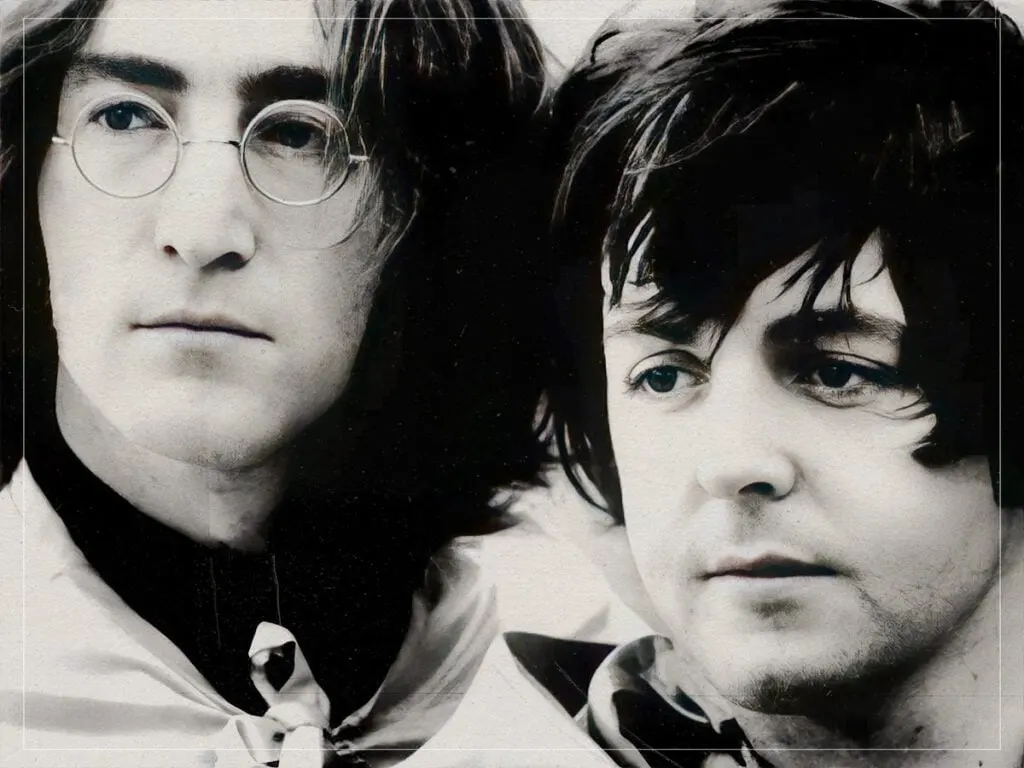
In 1967, The Beatles paired John Lennon’s “Strawberry Fields Forever” with Paul McCartney’s “Penny Lane” on a double-sided single, linking two songs rooted in their Liverpool childhoods. George Martin saw them as complementary parts of the same conversation: Lennon revisits childhood through a hazy, inward-looking song, while McCartney offers a vivid tour of a familiar street.
Lennon described “Strawberry Fields Forever” as “psychoanalysis set to music”, drawing on a difficult childhood and memories of a park near his home. McCartney called “Penny Lane” his answer to Lennon’s song, and recalled the street as a bus depot he passed on the way to John’s house and a place where he sang in a nearby church choir. The article says the double-sided release made artistic sense, even though it was commercially unsuccessful.
In short
- The Beatles paired two songs about their Liverpool youth.
- Lennon’s track is introspective; McCartney’s is a street-level portrait.
- George Martin viewed the songs as counterparts.
Explained simply
The Beatles were a British band whose members John Lennon and Paul McCartney wrote many of their songs together and separately. In 1967, they released two songs on opposite sides of one single, both drawing on memories of growing up in Liverpool.
Lennon’s “Strawberry Fields Forever” looks back on childhood in a personal, dreamlike way, while McCartney’s “Penny Lane” describes a familiar Liverpool street and the people around it. McCartney regarded his song as an answer to Lennon’s, and producer George Martin saw the two as complementary.
The pairing shows how the band’s songwriters could approach shared places and memories in different ways. It also illustrates the creative partnership between Lennon and McCartney, whose contrasting perspectives helped shape the Beatles’ music.