Entertainment news and discussion on TalkFuse.
In 1967, The Beatles changed the world with ‘Sgt Pepper’. But Frank Zappa thought the British Invasion had already offered a far “superior” album five months earlier
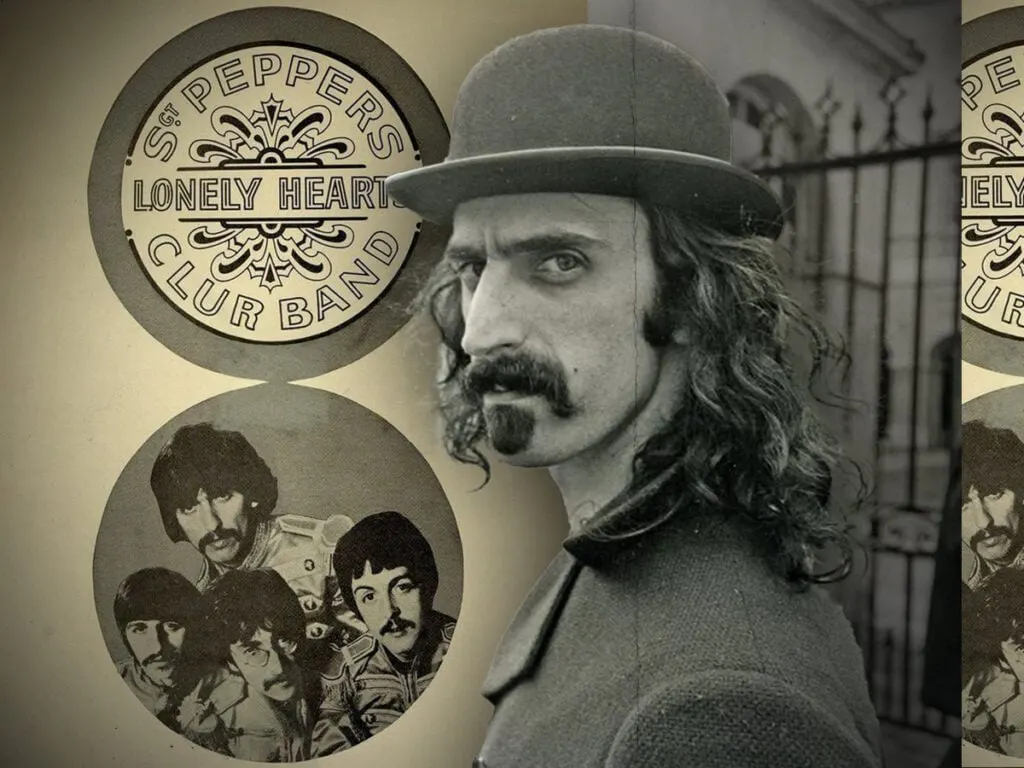
The article contrasts The Beatles’ growing experimentation with Frank Zappa’s rejection of what he saw as a commercially driven musical movement. While Sgt Pepper became a landmark of psychedelic pop, Zappa dismissed the group as a “good commercial group” and mocked their cultural influence on his album We’re Only In It For The Money.
The article frames Zappa’s criticism as both artistic conviction and a way to stand out: his former assistant Pauline Butcher said he knew he was not a pop idol and deliberately cultivated an outrageous image to attract attention. The headline refers to Zappa favouring an earlier British Invasion album, released five months before Sgt Pepper, but the supplied article text ends before naming it or explaining his comparison.
In short
- Zappa criticised The Beatles’ commercial image and influence.
- He parodied them on We’re Only In It For The Money.
- His assistant said his outrageous image was carefully cultivated.
Steelman: both sides, in good faith
The strongest fair case each way — we don't pick a winner.
The case for
A thoughtful case for Zappa’s view is that musical innovation should be judged by artistic ambition and substance, not by popularity or cultural reach. He may have seen an earlier British Invasion album as more compelling, while treating the Beatles’ growing experimentation as too shaped by commercial success and the expectations of pop stardom.
The case against
A thoughtful case for the Beatles is that commercial appeal does not rule out artistic achievement: Sgt Pepper’s experimentation and lasting influence can be seen as evidence that the group expanded what popular music could do. Zappa’s criticism may also have been sharpened by his deliberate effort to distinguish himself and attract attention, so it need not settle the musical comparison.