Entertainment news and discussion on TalkFuse.
In 1968, Gram Parsons invented country rock. Five years later, he offered a brutal review of the bands that followed in his footsteps
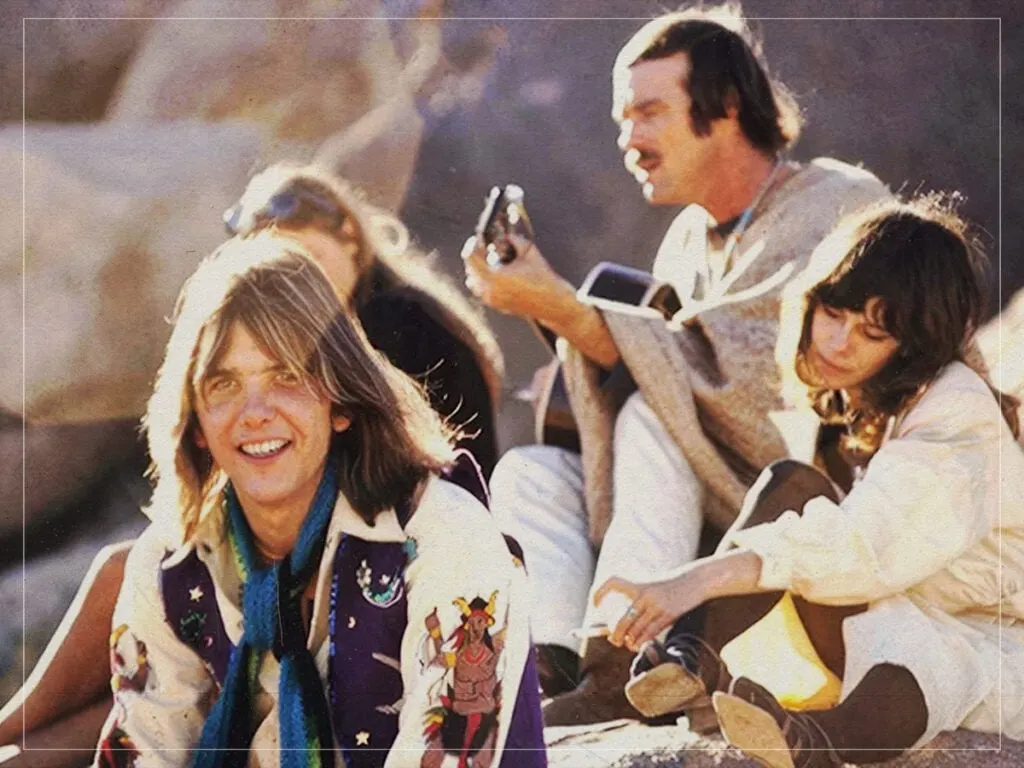
Gram Parsons helped bring countercultural rock and traditional country together on the International Submarine Band’s 1968 album *Safe at Home*, an early landmark in country rock. The sound spread quickly, but by 1973 Parsons was criticising bands he felt had softened it, particularly the Eagles.
At a performance at Max’s Kansas City in New York, Parsons said he had never called his music country rock and dismissed the Eagles and others as “bubblegum”. He argued that their music made life seem too easy and reduced country’s depth to a narrow perspective. The article suggests his objection was to the sound being diluted, rather than to country music’s place in rock.
In short
- Parsons helped establish country rock with *Safe at Home* in 1968.
- By 1973, he criticised the Eagles’ softer take on the sound.
- He objected to country rock being simplified and watered down.
Steelman: both sides, in good faith
The strongest fair case each way — we don't pick a winner.
The case for
Parsons’s criticism can be seen as a defence of country music’s emotional and cultural depth. If later bands made the blend more polished and reassuring, he could reasonably argue that they had kept its surface while losing the complexity and wider perspective that made it compelling.
The case against
The Eagles and similar bands could be defended for making country rock more accessible and helping it reach a wider audience. A smoother sound need not mean shallower music, and evolving a genre can honour its roots while giving more listeners a way into it.
Explained simply
Country rock blends the instruments and storytelling of country music with the sound of rock. Gram Parsons was part of the International Submarine Band, whose 1968 album Safe at Home helped bring the style to wider attention.
The Eagles were among the later bands associated with country rock, as the sound reached a larger audience. Parsons had a different view of what the music should express: he valued country’s emotional depth and questioned versions he felt made life seem too easy.
The debate matters because country rock developed through musicians interpreting the mix in different ways. Parsons’s comments reflected a disagreement over how the style could change as it became more popular.