In 1969, Merle Haggard wrote his biggest hit. He’s regretted it ever since: “I’m different now”
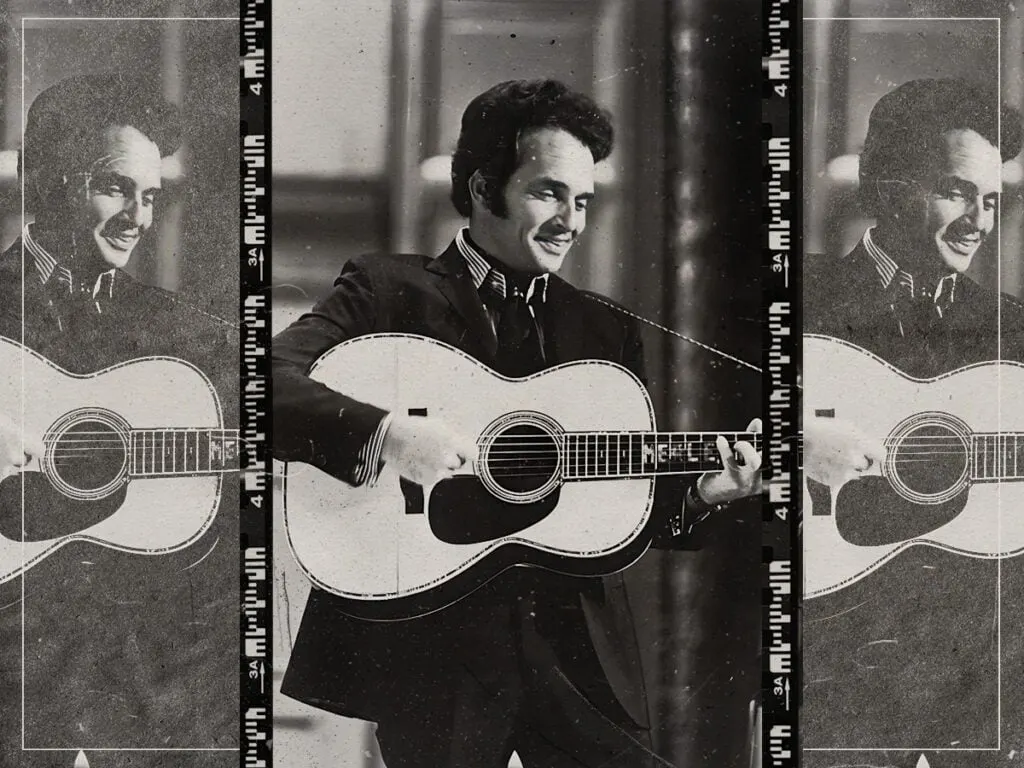
Merle Haggard later regretted the viewpoint behind ‘Okie From Muskogee’, his 1969 hit that mocked student protesters opposing the Vietnam War. The song brought him lasting attention but also criticism for its dismissive portrayal of young people and their opposition to the war.
Haggard initially saw protesters as disrespectful to soldiers, while celebrating small-town values and rejecting drug use and draft-card burning. By 2010, he described the song as a portrait of his own foolishness and said he performed it differently, while continuing to include it in his sets until his death in 2016.
In short
- Haggard wrote ‘Okie From Muskogee’ in 1969.
- The song criticised anti-war student protesters.
- Later, he acknowledged its narrow viewpoint.
Steelman: both sides, in good faith
The strongest fair case each way — we don't pick a winner.
The case for
The song can be understood as an expression of small-town patriotism and solidarity with soldiers during a divisive war, as well as a rejection of drug use and draft-card burning. Supporters might argue that it captured a real frustration among people who felt protesters were showing disrespect to those serving, and that Haggard was entitled to portray that outlook through satire.
The case against
The song’s mockery reduced a varied protest movement to a caricature and treated dissent as disrespect, obscuring sincere opposition to the war and its human costs. Critics can argue that challenging government policy and refusing the draft were matters of conscience, and that Haggard’s later regret reflected recognition of how dismissive the song had been.
Explained simply
Merle Haggard was an American country singer who became a major figure in the genre. His 1969 song “Okie From Muskogee” contrasted small-town life with the student protests and counterculture of the time, including opposition to the Vietnam War.
The song reflected divisions in the United States over the war, military service and changing social values. Some listeners welcomed its defence of traditional views, while others saw it as a put-down of young protesters. Haggard’s later comments showed how his view of the song’s message changed over time.