In 1970, folk singer Phil Ochs traded protest songs for a gold lamé suit. Six years later, he took his own life
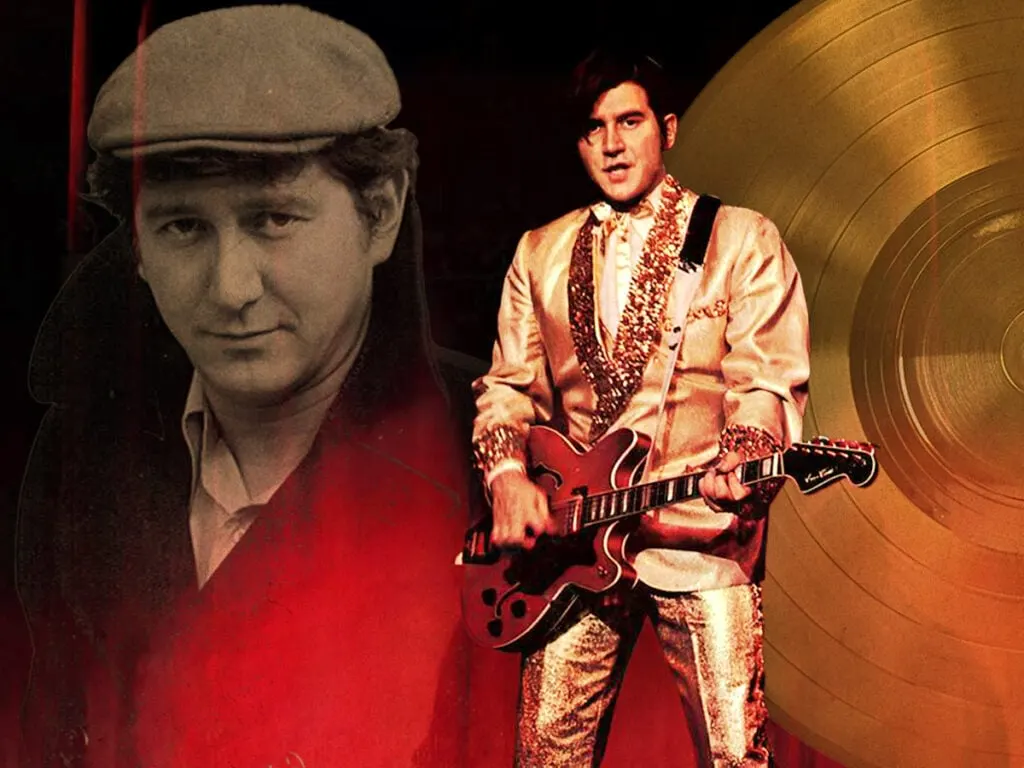
Phil Ochs, known for protest songs about war and civil rights, appeared at Carnegie Hall in 1970 wearing a gold lamé suit, signalling his wish to move beyond the folk-singer image audiences expected. The performance marked both the height of his protest-singing career and the start of a period of worsening personal difficulties.
Ochs had already begun experimenting with orchestration and more ambitious arrangements, seeking to combine political fervour with rock-star showmanship. In the years that followed, he struggled with bipolar disorder and heavy drinking; an attack in Tanzania and the 1973 coup in Chile, in which his friend Víctor Jara was killed, added to his distress. He later developed the paranoid alter ego John Butler Train, became homeless, and died by suicide at his sister’s home in April 1976. His songs, including ‘I Ain’t Marching Anymore’, remain part of his legacy.
In short
- Ochs wore a gold suit at Carnegie Hall in 1970.
- He was trying to break beyond his protest-folk image.
- His music remains influential after his death in 1976.
Explained simply
Phil Ochs was an American folk singer who became known in the 1960s for songs opposing the Vietnam War and supporting civil rights. Folk music often carried political messages, and Ochs’s sharp lyrics made him a prominent voice in that movement.
By 1970, he was trying new musical arrangements and a more theatrical style, while audiences still associated him with protest songs. His later years were marked by bipolar disorder, heavy drinking and distressing experiences, including the killing of his friend, Chilean singer Víctor Jara.
Ochs died by suicide in 1976, aged 35. His story is remembered both for the political songs that captured a period of protest and for the personal difficulties he faced.