New releases, music videos and album news — indie, rap, rock and pop. Always covering Ren, Chris Webby, Sam Tompkins, bbno$, CHINCHILLA, Muse, Yungblud and more.
In 1970, Motown blocked The Temptations from releasing an anti-war anthem. It would go on to sell over 3,000,000 copies
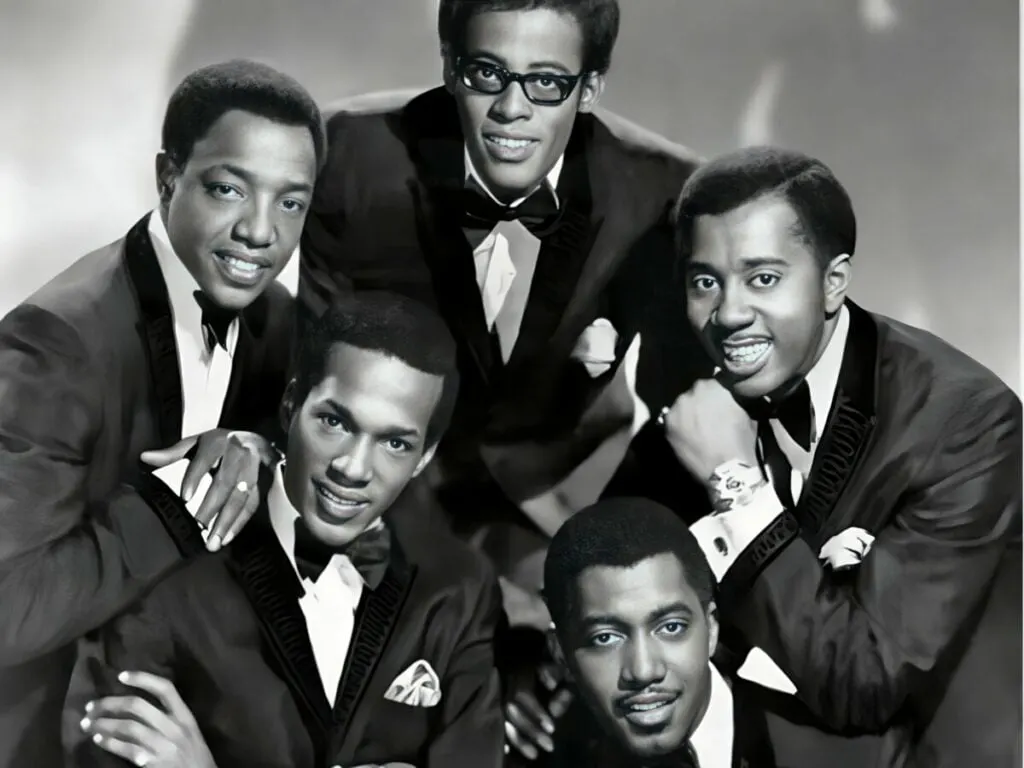
Motown gave Edwin Starr the chance to record “War” after deciding against releasing The Temptations’ version as a single. Label chief Berry Gordy worried that an overtly political song could damage the group’s reputation, but Starr’s 1970 recording became a major hit and showed that protest music could reach a mass audience.
The Whitfield and Strong song first appeared on The Temptations’ album *Psychedelic Shack* and began receiving airplay for its anti-war message. Starr’s more forceful version was released as a single in June 1970, sold more than three million copies, topped the US singles chart and reached number three in the UK. Its success helped demonstrate the commercial potential of political music at Motown.
In short
- Motown chose Edwin Starr to release “War” as a single.
- His 1970 recording sold more than three million copies.
- The hit showed protest music could find a mass audience.
Steelman: both sides, in good faith
The strongest fair case each way — we don't pick a winner.
The case for
Motown had a duty to weigh the risks of attaching a prominent group to a politically divisive song, especially if that could damage the Temptations’ reputation or limit their future audience. Releasing it through Edwin Starr instead allowed the label to test the song’s appeal while still giving its anti-war message a platform.
The case against
Holding back the Temptations’ version risked putting commercial caution ahead of the group’s artistic voice and the song’s urgent message. The song’s airplay and Starr’s later success suggest that audiences were ready for protest music, and that a major label could have trusted listeners to engage with it.
Explained simply
Motown was a hugely successful American record label, known for soul groups including The Temptations. In 1970, the United States was deeply divided over the Vietnam War, and songs opposing the conflict were becoming part of public debate.
“War” was written by Motown songwriters Norman Whitfield and Barrett Strong and first appeared on a Temptations album. After Motown chose not to release their version as a single, singer Edwin Starr recorded it instead; the song’s success showed that a direct protest message could also attract a large pop audience.