Entertainment news and discussion on TalkFuse.
In 1971, Berry Gordy heard an album that he thought would be Motown’s biggest flop. Now, it has sold over 12,000,000 copies
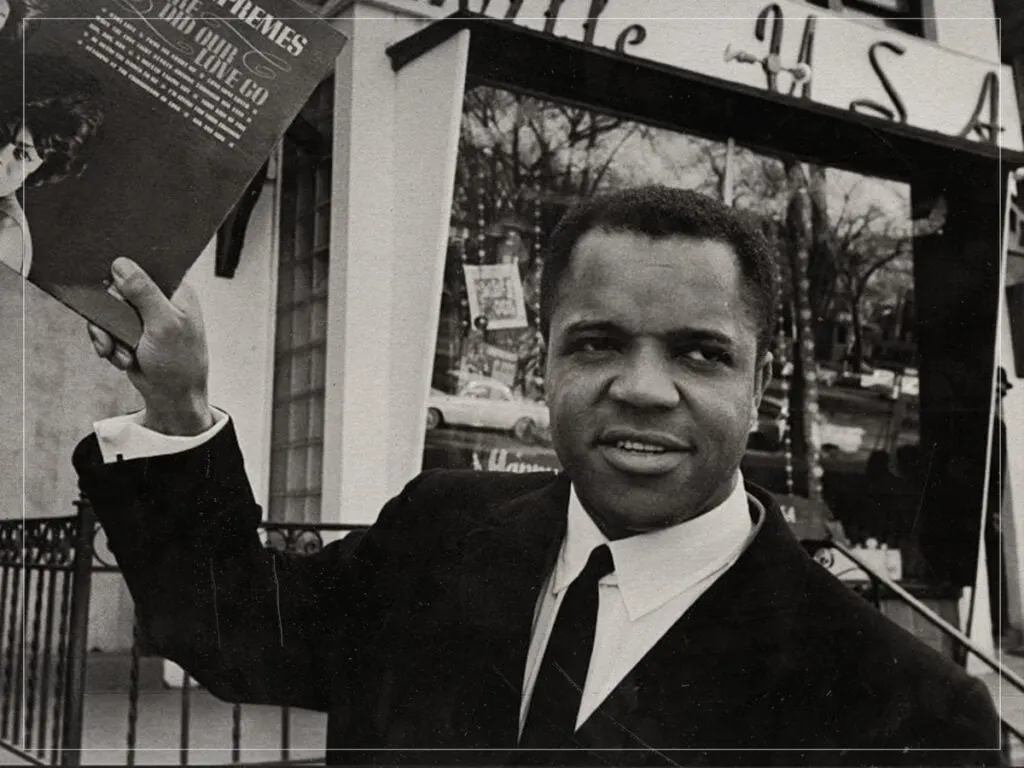
In 1971, Marvin Gaye wanted Motown to release *What’s Going On*, an ambitious album addressing the Vietnam War and other social concerns. Label founder Berry Gordy feared its protest songs and experimental approach could damage Gaye’s career, reflecting Motown’s emphasis on reliable chart hits.
Gaye believed the record could revive his career, while Gordy later recalled asking why he would risk it with protest songs. The album went on to sell more than 12 million copies, according to the headline, and is now regarded as a landmark of soul, protest music and concept albums. Its success helped broaden Motown’s identity beyond hit singles.
In short
- Gordy worried Gaye’s protest album would hurt his career.
- *What’s Going On* became a landmark Motown release.
- The album has sold more than 12 million copies.
Steelman: both sides, in good faith
The strongest fair case each way — we don't pick a winner.
The case for
Gordy’s caution was grounded in Motown’s responsibility to protect its artists and sustain a successful label. A shift towards protest lyrics and an experimental album could alienate listeners, weaken Gaye’s commercial momentum and put the company’s resources at risk.
The case against
Gaye could reasonably see the album’s social themes and ambitious form as a chance to make work that matched the urgency of the time and gave his career new direction. Releasing it would let Motown grow beyond reliable singles, while trusting listeners to respond to music with greater depth and purpose.
Explained simply
Motown was a Detroit record label known for polished soul music and a run of popular singles by artists such as the Supremes and the Temptations. Its founder, Berry Gordy, built the business around making records with broad appeal, while singer Marvin Gaye was one of its major stars.
Gaye’s What’s Going On brought together songs about the Vietnam War, poverty and other social concerns, linked by a reflective, experimental sound. Gordy worried that this approach would be hard to sell and could put Gaye’s career at risk.
The album’s success showed that Motown audiences would also respond to music that tackled wider issues and worked as a whole album. It became influential in soul and protest music, and helped expand the label’s reputation beyond hit singles.