New releases, music videos and album news — indie, rap, rock and pop. Always covering Ren, Chris Webby, Sam Tompkins, bbno$, CHINCHILLA, Muse, Yungblud and more.
In 1971, John Lennon released ‘Imagine’. Years later, Paul McCartney lost all belief in it
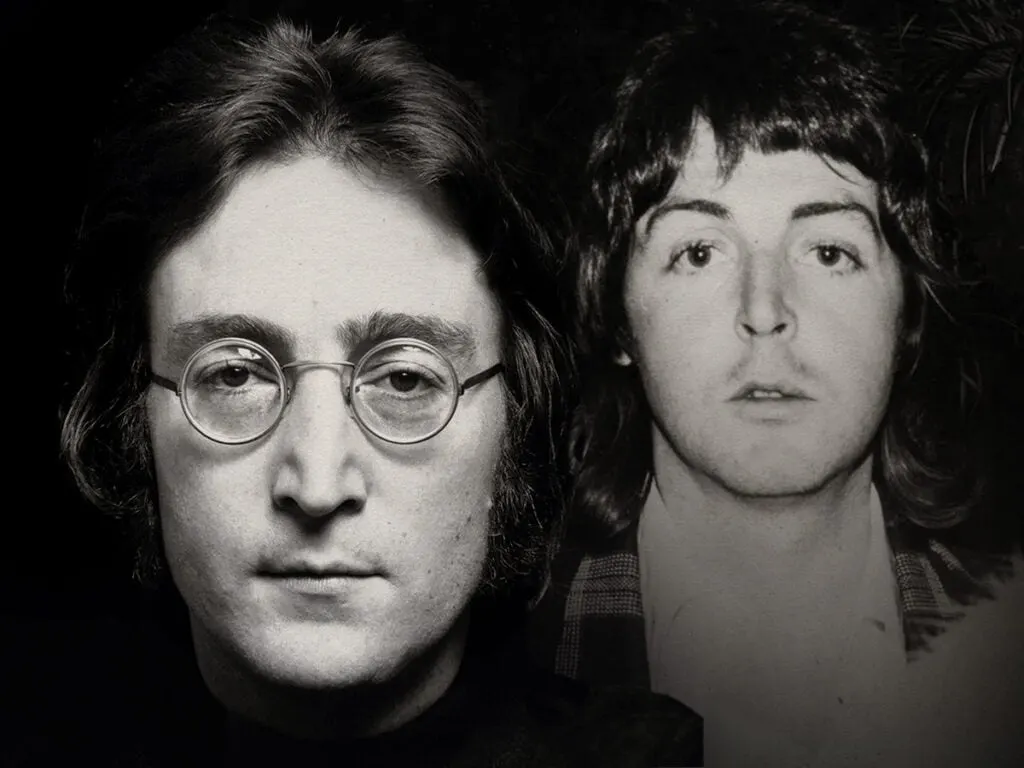
John Lennon’s “Imagine” expressed a vision of a more peaceful and unified world, and Paul McCartney praised it as a beautiful, enduring song. Yet McCartney doubted that the world described in its lyrics could ever become reality, highlighting a difference in outlook between the former songwriting partners.
The article describes how Lennon and McCartney’s contrasting musical styles had complemented each other in The Beatles but became more distinct after the band split. McCartney called “Imagine” magical and admired Lennon’s piano writing, while privately thinking its ideal was unlikely to be achieved. The song appeared on Lennon’s 1971 album, which also included a pointed song aimed at McCartney.
In short
- McCartney admired “Imagine” as a beautiful song.
- He doubted its vision for the world would happen.
- The article highlights the former Beatles’ different outlooks.
Steelman: both sides, in good faith
The strongest fair case each way — we don't pick a winner.
The case for
“Imagine” offers a compelling moral vision: imagining a world less divided by borders, possessions and religious conflict can encourage people to question sources of hostility and work towards peace. Its idealism need not be a literal prediction; the song’s beauty and lasting appeal can give listeners a shared language for hope.
The case against
The song’s vision may seem too detached from enduring differences in human belief, identity and interests to be achievable in practice. Admiring its beauty while doubting its promise, as McCartney reportedly did, reflects the concern that such ideals can inspire without providing a realistic path to lasting unity.