Culture news and discussion on TalkFuse.
In 1974, Genesis had just finished recording an album that would sell 5,600,000 copies. But Peter Gabriel knew he had to leave: “No question”
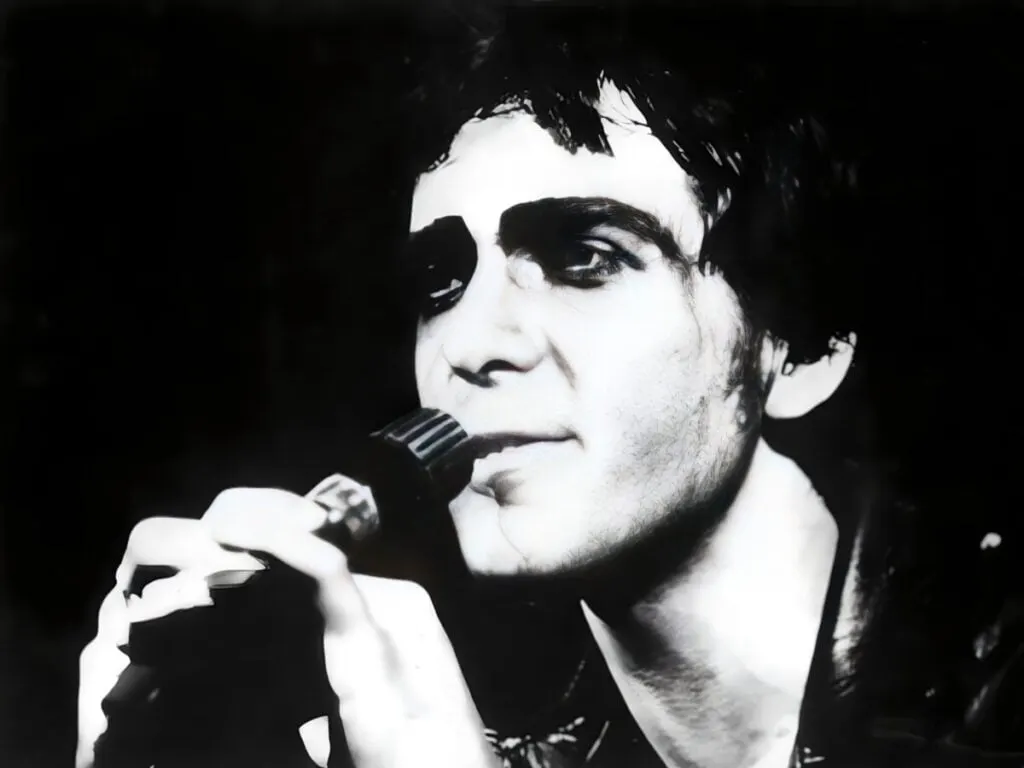
Peter Gabriel decided to leave Genesis while the band were making *The Lamb Lies Down on Broadway*, their 1974 double album. The decision grew from tensions over his role in the group and his belief that his family needed his attention during his wife’s difficult childbirth.
Genesis wrote the album at Headley Grange, often working separately, with the band preparing instrumentals while Gabriel developed the lyrics and story of Rael. Gabriel also explored a film project with director William Friedkin, later made as *Sorcerer*, but recording and touring meant he could not continue. He told the band he planned to quit during a stop in Cleveland in 1974; his departure eventually brought Phil Collins to the forefront as singer.
In short
- Gabriel’s family circumstances helped drive his decision to leave Genesis.
- *The Lamb Lies Down on Broadway* was his final Genesis album.
- He told the band he would quit during a 1974 tour stop.
Steelman: both sides, in good faith
The strongest fair case each way — we don't pick a winner.
The case for
Gabriel had strong reasons to leave: tensions over his role and the album’s divided working process suggest the band no longer suited the way he wanted to create. His wife’s difficult childbirth also made family responsibilities an urgent priority, while touring and recording had already forced him to abandon other work. Leaving allowed him to take responsibility for his own life and artistic direction.
The case against
Staying could be defended as a commitment to a band whose members had built a distinctive project together and were nearing the release of an ambitious album. The group might have addressed disagreements over roles or working methods, and Gabriel’s departure changed the band’s direction for everyone involved. A thoughtful case for remaining would weigh those shared commitments against the personal and creative pressures he faced.
Art Culture Entertainment Music