New releases, music videos and album news — indie, rap, rock and pop. Always covering Ren, Chris Webby, Sam Tompkins, bbno$, CHINCHILLA, Muse, Yungblud and more.
In 1975, Bruce Springsteen snuck a “single that nobody liked” behind his record label’s back. Now, it might be his greatest work
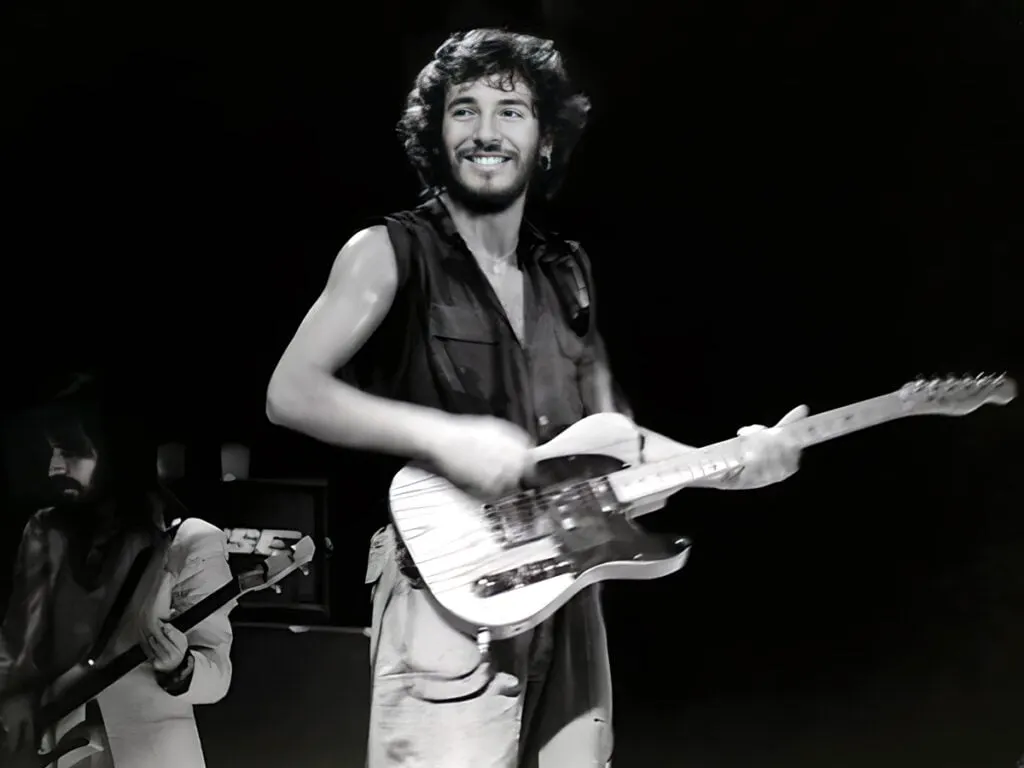
Bruce Springsteen’s label initially rejected “Born to Run”, despite six months of work on the song. His manager, Mike Appel, arranged for DJs to play it before a record was available in shops, and it quickly reached number one in Cleveland on airplay alone. The move helped persuade the label to support the album and cemented the song’s place as Springsteen’s signature anthem.
Springsteen had spent years shaping the album around a sound inspired by Roy Orbison, Phil Spector and Chuck Berry, while pushing himself and the E Street Band through exhausting studio sessions. After two earlier albums left him compared with Bob Dylan, he wanted a record that matched his ambitions; at one point, he considered releasing a live album instead. He later recalled that the phrase “born to run” came to him while he was playing guitar and suggested the cinematic drama he wanted for the music.
In short
- The label disliked “Born to Run” after six months of work.
- DJs played it ahead of the record’s release.
- It reached number one in Cleveland on airplay alone.
Steelman: both sides, in good faith
The strongest fair case each way — we don't pick a winner.
The case for
Appel’s decision to get the song heard before a shop release can be defended as a bold way to test whether listeners connected with Springsteen’s ambitious sound when the label did not. Its strong radio response offered evidence of demand and helped secure support for the album, while giving the artist room to pursue the distinctive work he had spent years shaping.
The case against
The label’s hesitation can be defended as a cautious response to a costly, demanding project and uncertainty about whether Springsteen’s elaborate sound would reach a broad audience. Bypassing the label’s usual release process may have risked undermining trust and left the song’s prospects dependent on a concentrated airplay push, rather than a planned release backed by the company.