In 1975, Rush made an album they fell in love with. It almost destroyed them
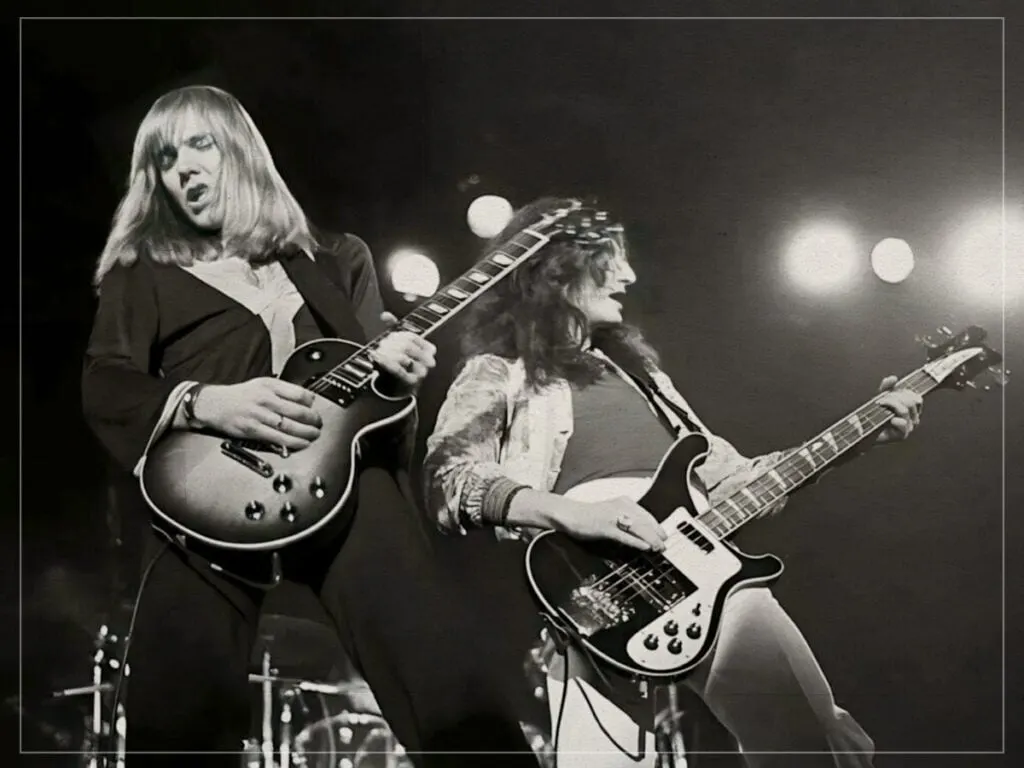
Rush were deeply proud of their 1975 album *Caress of Steel*, which pushed further into lengthy, story-led progressive rock. Its poor reception left the band hurt and put their future under pressure, making it a pivotal low point before their later breakthrough.
The album’s two extended pieces drew on fantasy and a search for a lost fountain, a sharp departure from the bluesy hard rock of Rush’s early work. The article says the band’s next major step, *2112*, helped revive their prospects with their record label.
In short
- Rush were proud of *Caress of Steel*, but audiences largely rejected it.
- The album’s extended fantasy tracks marked a major change in sound.
- *2112* became the next crucial step in the band’s career.
Explained simply
Rush were a Canadian rock band whose early records leaned towards bluesy hard rock. By 1975, the group—guitarist Alex Lifeson, bassist and singer Geddy Lee, and drummer John Rutsey, later replaced by Neil Peart—were exploring longer songs with elaborate stories.
That shift was clear on Caress of Steel, whose two extended pieces drew on fantasy and a quest for a lost fountain. The album received a poor response, putting pressure on the band’s future and their relationship with their record label.
Rush followed it with 2112, another ambitious record that helped restore the label’s confidence in the group. The contrast between the two albums shows how a risky change in direction became a turning point in their career.