New releases, music videos and album news — indie, rap, rock and pop. Always covering Ren, Chris Webby, Sam Tompkins, bbno$, CHINCHILLA, Muse, Yungblud and more.
In 1976, George Harrison finally tried to rid himself of The Beatles. Then, his life nearly fell to pieces
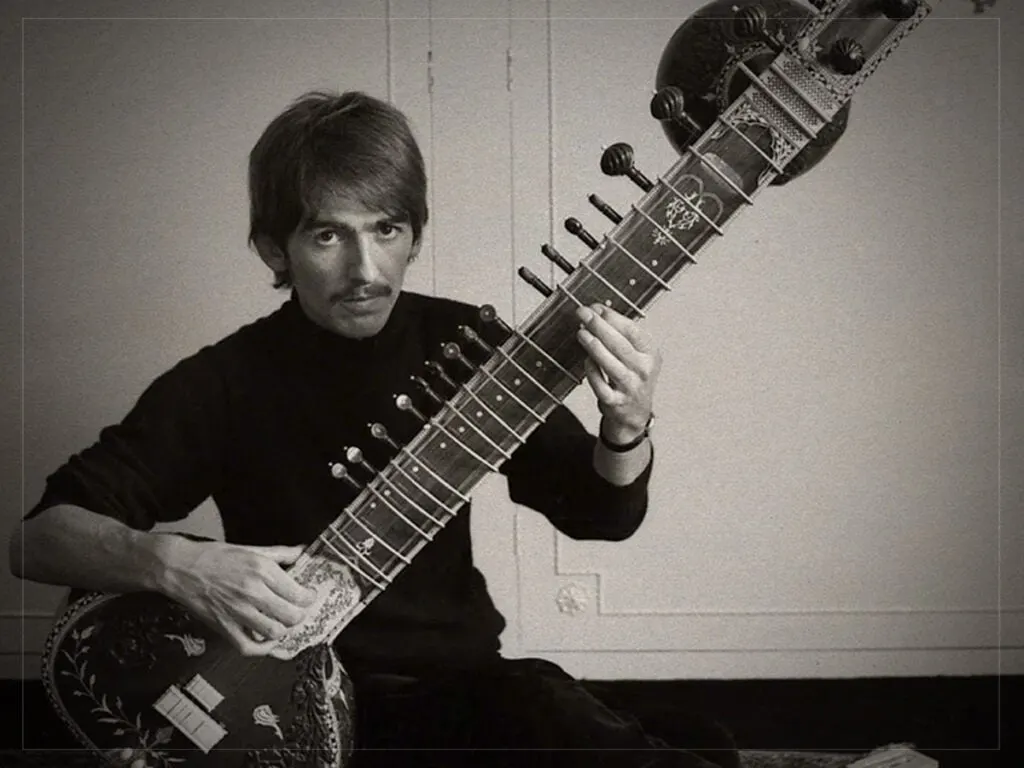
In 1976, George Harrison was trying to establish himself beyond The Beatles, but found that his former band’s recording contract with EMI still constrained him. His solo career had also lost momentum, and personal and health troubles made the year a turning point in his life and work.
After separating from Pattie Boyd in 1974, Harrison faced a plagiarism case over “My Sweet Lord” and hepatitis. He later said the illness helped him quit drinking, and the experience informed his 1976 album *Thirty Three & ⅓*, whose humour also reflected Monty Python’s influence. Though not considered among his strongest albums, it was seen as a return to form.
In short
- Harrison faced illness, legal trouble and a stalled solo career in 1976.
- He said hepatitis prompted him to quit drinking.
- *Thirty Three & ⅓* marked a return to form.
Explained simply
The Beatles were a British band whose members began releasing music separately after the group split up. George Harrison, the band’s guitarist and a songwriter, wanted to build a solo career, but a recording contract the Beatles had signed with EMI continued to affect his work.
By 1976, Harrison’s solo career had lost momentum. He was also dealing with the end of his marriage to Pattie Boyd, a court case over whether his song “My Sweet Lord” copied another song, and hepatitis, an illness that affects the liver.
Harrison later said the illness helped him stop drinking, and that the difficult period influenced his album *Thirty Three & ⅓*. The record mixed humour, including an influence from the comedy group Monty Python, with a renewed effort to find his footing as a solo artist.