Entertainment news and discussion on TalkFuse.
In 1976, Phil Collins was pissed no one could sing his song. It led to Genesis selling 50,000,000 more records
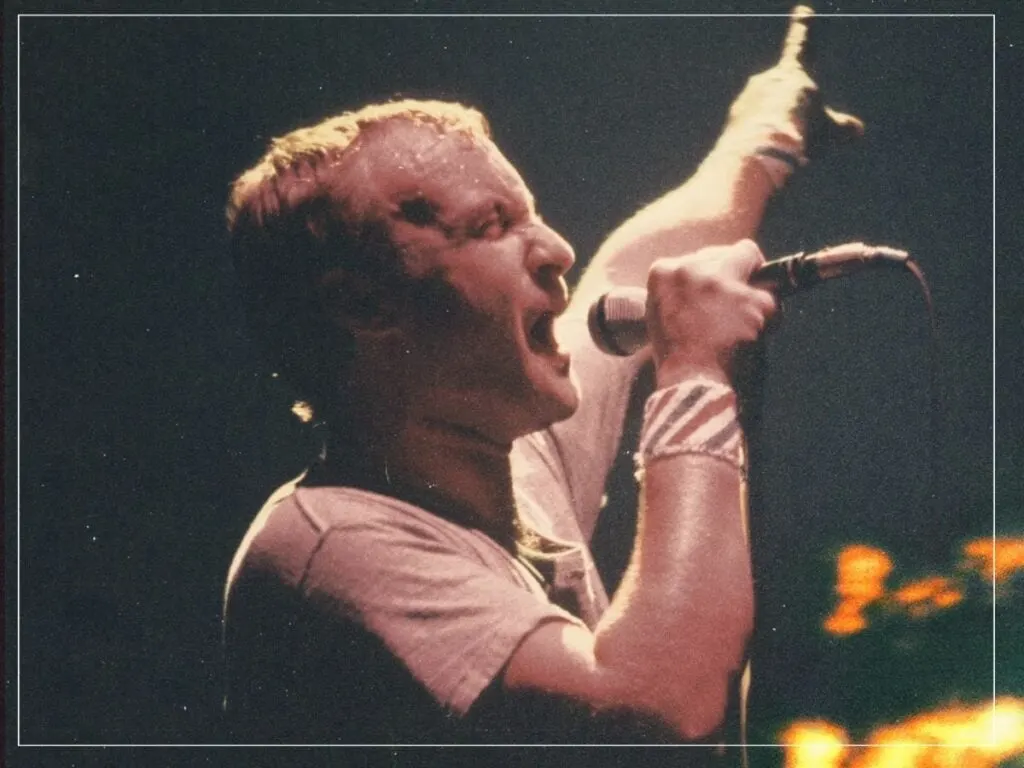
When Peter Gabriel left Genesis in 1975, the band struggled to find a singer who could replace him. During an unsuccessful audition, drummer Phil Collins offered to sing “Squonk”; the band realised he could take over as frontman. The decision helped Genesis continue and move towards a more pop-oriented sound.
Collins had sung some gentler material before, but the audition showed he could handle the band’s more demanding songs too. As an existing member, he also avoided the comparisons an outside singer might have faced, and he went on to perform Gabriel-era songs such as “I Know What I Like” and “Supper’s Ready”. The headline attributes 50 million additional record sales to the decision, though the article gives no sales figures or evidence to support that number.
In short
- Phil Collins became Genesis’ lead singer after an audition.
- He stepped up when the band could not find a replacement for Peter Gabriel.
- The article links the change to 50 million more record sales.
Steelman: both sides, in good faith
The strongest fair case each way — we don't pick a winner.
The case for
Choosing Phil Collins was a practical way to preserve the band’s identity: he already understood its music, could sing its demanding material and was less likely than an outsider to be judged against Peter Gabriel. The decision let Genesis keep performing older songs while developing a more accessible sound, helping the group endure and reach a wider audience.
The case against
Keeping the band going with Collins also meant accepting a significant change in its musical direction, which listeners who valued Gabriel’s distinctive theatrical style could reasonably see as a loss. Genesis might have pursued a different artistic identity with another singer, and the headline’s claim of 50 million extra sales is not substantiated by the reported evidence, so the scale of the decision’s commercial impact is uncertain.
Explained simply
Genesis are a British band whose theatrical progressive rock made Peter Gabriel a distinctive lead singer. After Gabriel left in 1975, the remaining members needed to decide whether they could continue without him and who might sing in his place.
Phil Collins was already the band’s drummer and had occasionally sung backing and gentler parts. Having him take the lead meant Genesis could keep working with a familiar member, though the group’s sound later became more pop-oriented. The change matters because it shaped the band’s direction and its success with a wider audience.