In 1977, punk destroyed prog-rock. So how come Yes’ final masterpiece topped the charts?
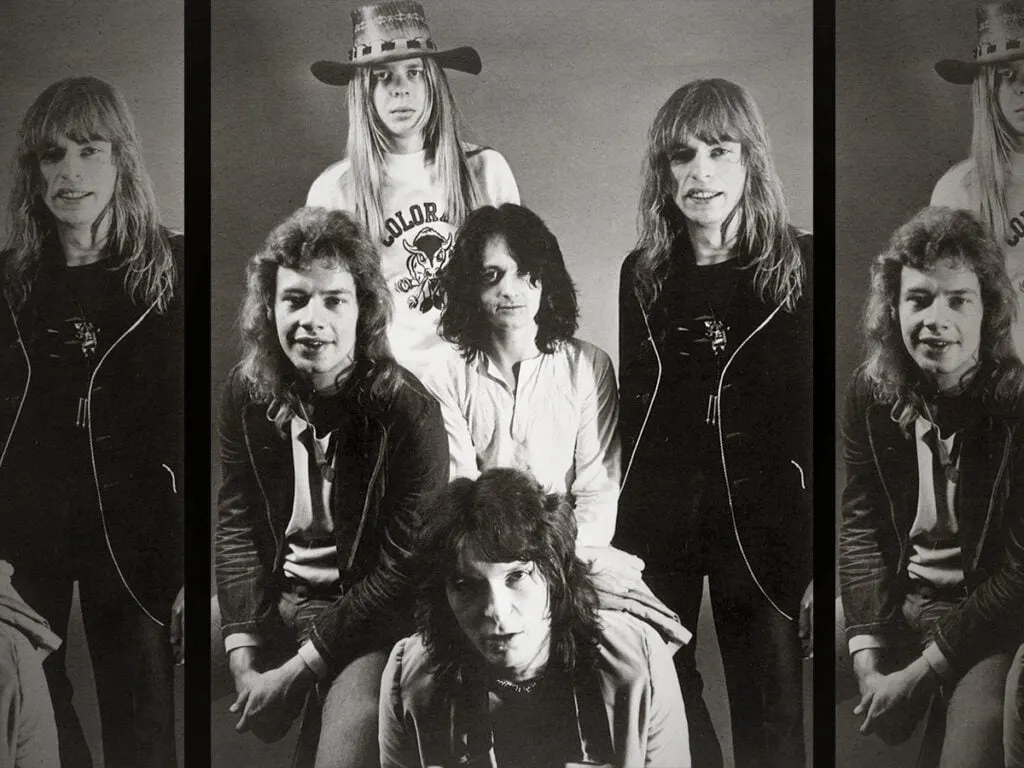
The article challenges the idea that punk simply swept progressive rock aside in 1977, pointing to Yes’s commercial success during the same upheaval. Their album *Going for the One* reached number one in the UK and stayed there for two weeks, showing that a large audience still wanted the band’s ambitious music.
The piece credits Yes with adapting without abandoning their style: Rick Wakeman returned, and the band brought more direct, energetic arrangements to the record. The title track opens with Steve Howe’s driving slide guitar, while songs such as “Awaken” retain the long, expansive approach associated with prog. The article argues that punk’s challenge encouraged Yes to tighten their sound and meet listeners partway.
In short
- Yes’s *Going for the One* topped the UK chart for two weeks in 1977.
- The band kept its progressive sound while adding more direct energy.
- Punk challenged Yes, but did not erase its audience.
Steelman: both sides, in good faith
The strongest fair case each way — we don't pick a winner.
The case for
Yes’s chart success suggests punk did not simply displace progressive rock: listeners still valued its ambition, musicianship and expansive songs. The band also adapted, adding more direct energy while retaining the scale that made its music distinctive, showing that musical change can prompt renewal rather than end a genre.
The case against
A number-one album does not show that prog-rock escaped punk’s wider cultural challenge; it shows that an established band could still draw a large audience during a changing moment. Yes’s sharper arrangements may support the view that punk pushed prog acts to respond to criticism of excess and complexity, even as some listeners remained loyal to the old style.
Explained simply
Progressive rock, or prog, grew popular in the 1970s through long songs, elaborate arrangements and fantasy-inspired themes. Yes were one of its best-known bands, with singer Jon Anderson, guitarist Steve Howe and keyboard player Rick Wakeman among their key members.
Punk emerged in the same decade with shorter, simpler songs and a more stripped-back sound. Its rise challenged established rock groups and changed what record buyers and music critics were paying attention to. The overlap matters because it shows that musical shifts do not always mean older styles lose their audience at once.
Yes’s 1977 album Going for the One mixed more direct, energetic songs with the extended compositions the band were known for. Its success offers a way to understand how established artists responded to punk’s challenge while keeping elements of their own approach.