New releases, music videos and album news — indie, rap, rock and pop. Always covering Ren, Chris Webby, Sam Tompkins, bbno$, CHINCHILLA, Muse, Yungblud and more.
In 1979, Pink Floyd borrowed a disco groove from Chic for a prog masterpiece. It became an anthem of rebellion
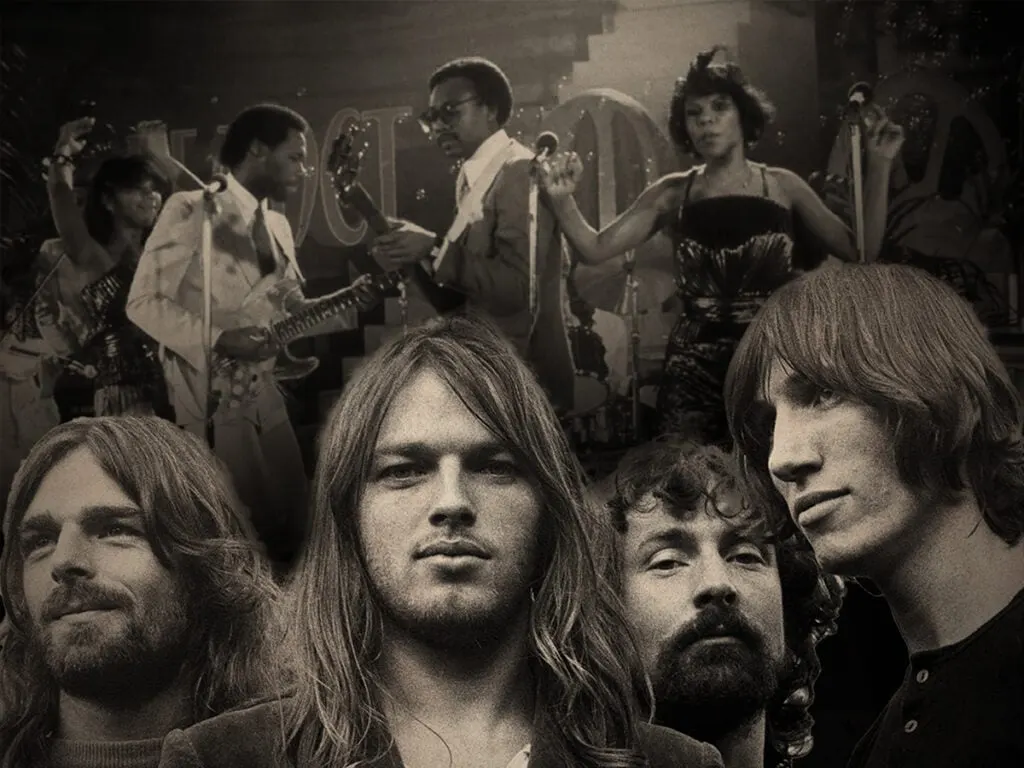
Pink Floyd’s “Another Brick in the Wall, Part 2” drew on the disco rhythms of Chic while retaining the band’s rock sound. Producer Bob Ezrin heard Chic working in a nearby New York studio and saw how their groove might carry Roger Waters’s lyrics, helping turn the song into a widely recognised anthem of rebellion.
David Gilmour was initially sceptical about disco, but the band tried building the track from drums and bass upwards. Chic’s Nile Rodgers later said Pink Floyd had listened to his band’s patterns while recording nearby; he also pointed to Queen’s “Another One Bites the Dust” as another song influenced by Chic’s “Good Times”. Rodgers argued that Chic’s rhythmic influence spread widely through rock music.
In short
- Chic’s disco rhythms helped shape Pink Floyd’s hit.
- Bob Ezrin encouraged the band to try the groove.
- Nile Rodgers also cited Queen’s “Another One Bites the Dust”.
Explained simply
Pink Floyd were a British rock band known for long, atmospheric music, while Chic were an American group associated with disco, a dance music style built around a steady beat. In 1979, Pink Floyd were recording in New York when producer Bob Ezrin suggested using a disco-style rhythm to support Roger Waters’s lyrics.
Waters wrote “Another Brick in the Wall, Part 2” for the album The Wall, a story about a rock musician becoming isolated from the world around him. The song’s schoolchildren’s chorus and lyrics about strict schooling helped it reach listeners beyond the band’s usual audience. Its mix of danceable rhythm and rock sound also illustrates how musical ideas can cross between genres.