In 1980, Chuck Berry delivered brutal reviews on the best bands of the era: “What’s this guy so angry about”
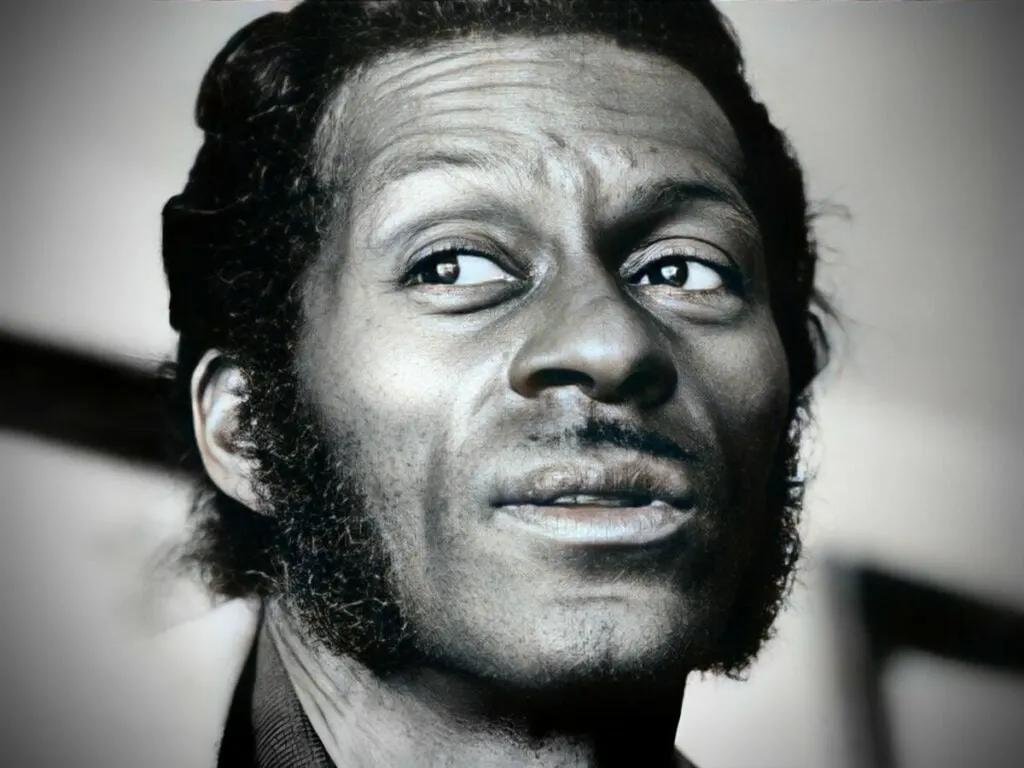
A 1980 interview for the punk zine Jet Lag captured rock ’n’ roll pioneer Chuck Berry reviewing the era’s emerging punk bands. His blunt reactions revealed a generational clash over what made music meaningful, even as he acknowledged that some records had strong rhythms and danceable grooves.
Asked about the Sex Pistols, Berry criticised Johnny Rotten’s anger and unclear vocals, while he found a Clash track familiar and questioned Joe Strummer’s singing. He was more positive about music with a groove, but still dismissed claims of novelty, saying he had heard similar sounds before. The article also recalls Berry’s view that music should offer listeners a break from their personal problems.
In short
- Chuck Berry gave punk bands blunt reviews in a 1980 interview.
- He criticised Johnny Rotten’s anger and Joe Strummer’s vocals.
- Danceable grooves won some praise, though Berry questioned punk’s novelty.
Steelman: both sides, in good faith
The strongest fair case each way — we don't pick a winner.
The case for
Berry’s criticism can be seen as a defence of music’s craft and its ability to give listeners release: anger and obscured vocals may strike some as less meaningful than clear singing, strong rhythm and a memorable groove. His experience also gave him reason to question claims that punk had invented a wholly new sound, while recognising familiar musical elements.
The case against
Punk’s anger and rough, sometimes hard-to-decipher vocals could be understood as deliberate expressions of frustration rather than failures of musical craft. For listeners who felt excluded by polished rock or its conventions, the rawness and urgency of bands such as the Sex Pistols and the Clash could make their music feel new and authentic, even if its rhythms drew on older traditions.
Explained simply
Chuck Berry helped shape early rock ’n’ roll as a singer, guitarist and songwriter, with songs such as “Maybellene” and “Johnny B. Goode”. By 1980, punk had emerged in Britain, led by bands including the Sex Pistols and the Clash, whose raw sound and confrontational style challenged established ideas about rock music.
The interview reflects a difference in musical outlook between Berry’s generation and punk’s younger artists. Berry judged songs by qualities such as rhythm, singing and whether the music offered listeners an escape from their troubles; punk often used rough vocals and anger to express discontent. These contrasting ideas help explain why the same music could sound exciting to some listeners and unconvincing to others.