In 1980, The Rolling Stones made their ‘New York album’. Mick Jagger has always rejected the claim
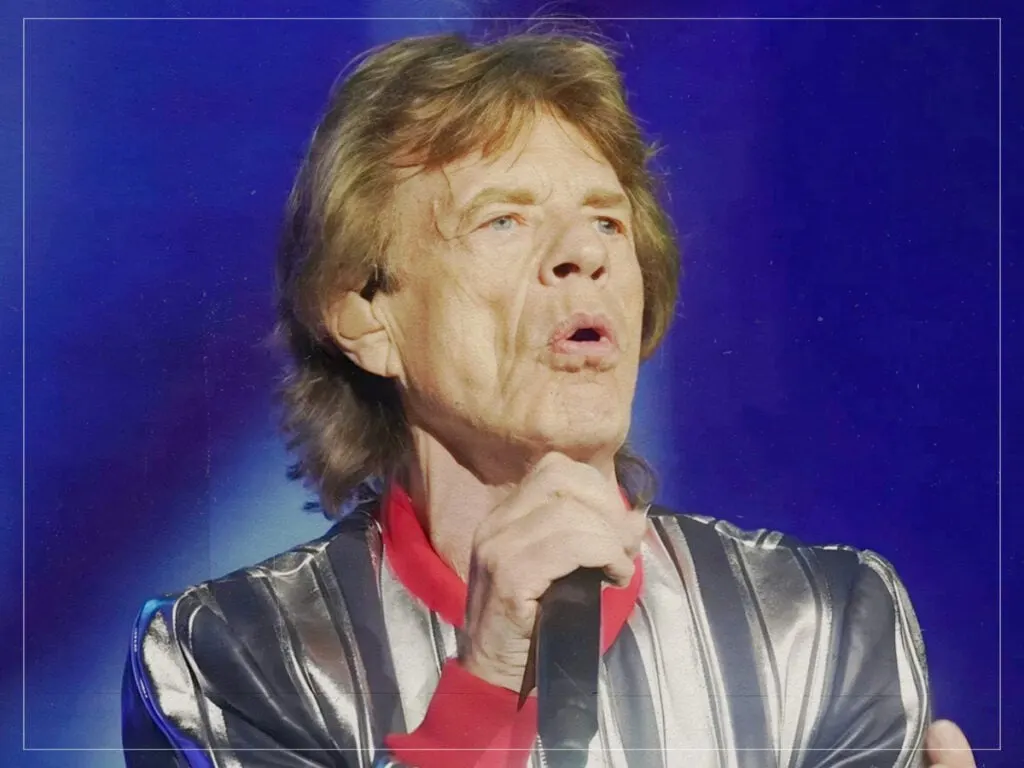
The Rolling Stones recorded much of their 1980 album *Emotional Rescue* in New York, leading to its reputation as the band’s “New York album”. Mick Jagger rejected that label, arguing that the city’s sound was better represented by artists such as Lou Reed, and that the album’s rhythms only partly reflected New York.
The article places the record in the band’s late-1970s search for new influences after a period of weaker critical reception. It says the album drew on the city’s disco culture, while Jagger described its sound as “Black music” and suggested British listeners dismissed it as disco. The writer agrees that recording in New York did not necessarily make the album a New York record, while also judging it unsuccessful.
In short
- Much of *Emotional Rescue* was recorded in New York.
- Jagger disputed that it was a “New York album”.
- The record drew on disco and other musical influences.
Steelman: both sides, in good faith
The strongest fair case each way — we don't pick a winner.
The case for
The album’s New York reputation has a reasonable basis: much of it was recorded there, and its rhythms drew on the city’s disco culture. A record can reflect the musical scene and influences around its making even if it does not sound like a definitive portrait of the city.
The case against
Recording location alone does not make an album representative of a city, and Jagger argued that New York’s sound was better captured by artists such as Lou Reed. Since the album’s rhythms only partly reflected the city, calling it the band’s “New York album” may overstate its connection to that scene.
Explained simply
The Rolling Stones are a British rock band whose late-1970s records received a less favourable critical response than some of their earlier work. In 1980, they released Emotional Rescue, recorded largely in New York as the band explored sounds beyond their familiar rock style.
New York was then known for a varied music scene, including disco and artists such as Lou Reed. The album’s links to that scene are part of the debate over what makes a record representative of a city: where it was made, the music it draws on, or the musicians and culture associated with it.