Entertainment news and discussion on TalkFuse.
In 1984, Mark Knopfler’s pursuit of perfection almost ruined a Dire Straits album. He should’ve known better
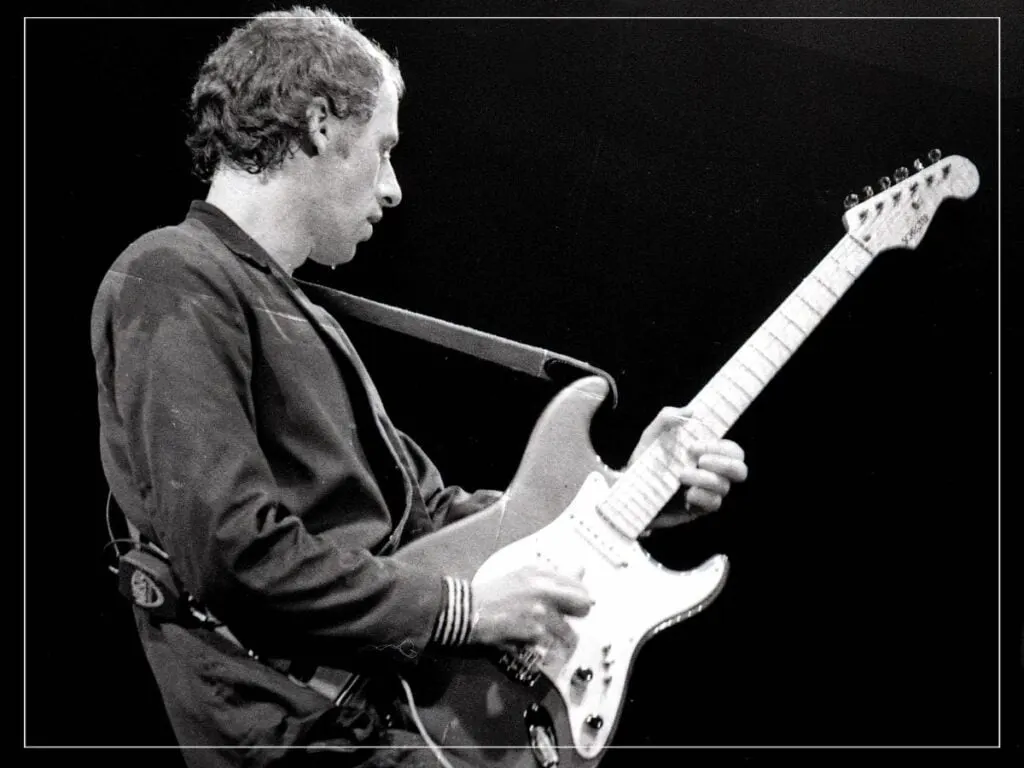
Dire Straits’ fourth album, *Love Over Gold*, marked a move from the band’s blues-rock roots towards a more elaborate art-rock sound. In a 1984 interview, Mark Knopfler acknowledged that the record had been worked on too heavily, suggesting his attention to production may have diminished some of its spontaneity.
Knopfler said the band usually kept many live takes, but *Love Over Gold* was an exception, and he did not want to make another album in the same heavily produced way. The article links this experience to his earlier session work on Steely Dan’s *Gaucho*, where he recalled recording more than ten hours of guitar that yielded just 15 seconds on the finished record.
In short
- Knopfler called *Love Over Gold* too heavily worked on.
- The album reflected Dire Straits’ shift towards art rock.
- His earlier Steely Dan session also involved painstaking studio work.
Steelman: both sides, in good faith
The strongest fair case each way — we don't pick a winner.
The case for
The album’s elaborate sound can be seen as an ambitious artistic choice: careful production gave the band room to move beyond its blues-rock roots and pursue a more distinctive, composed style. Knopfler’s perfectionism may have helped realise that vision, even if the process later felt excessive to him.
The case against
The report gives reason to see the production as overworked: Knopfler said the band kept fewer live takes than usual and that he did not want to repeat the approach. For listeners who value spontaneity and the feel of a band playing together, the extensive polishing may have come at the expense of qualities that made Dire Straits compelling.
Explained simply
Dire Straits were a British rock band led by singer and guitarist Mark Knopfler. Their fourth album, Love Over Gold, took a more elaborate approach than the blues-influenced rock that had established the band.
Knopfler shaped the band’s sound in the studio as well as writing and playing its music. His earlier work on Steely Dan’s album Gaucho gave him experience of painstaking recording, where hours of guitar playing could be reduced to a brief part in the finished song.
The balance between careful production and the energy of a live performance matters because it can change how a band’s music feels. Knopfler later described Love Over Gold as an unusual case for Dire Straits, who generally kept more of their live takes.