In 1985, Billy Joel recorded a song that sold 20,000,000 copies and couldn’t stand it: “But nobody would say”
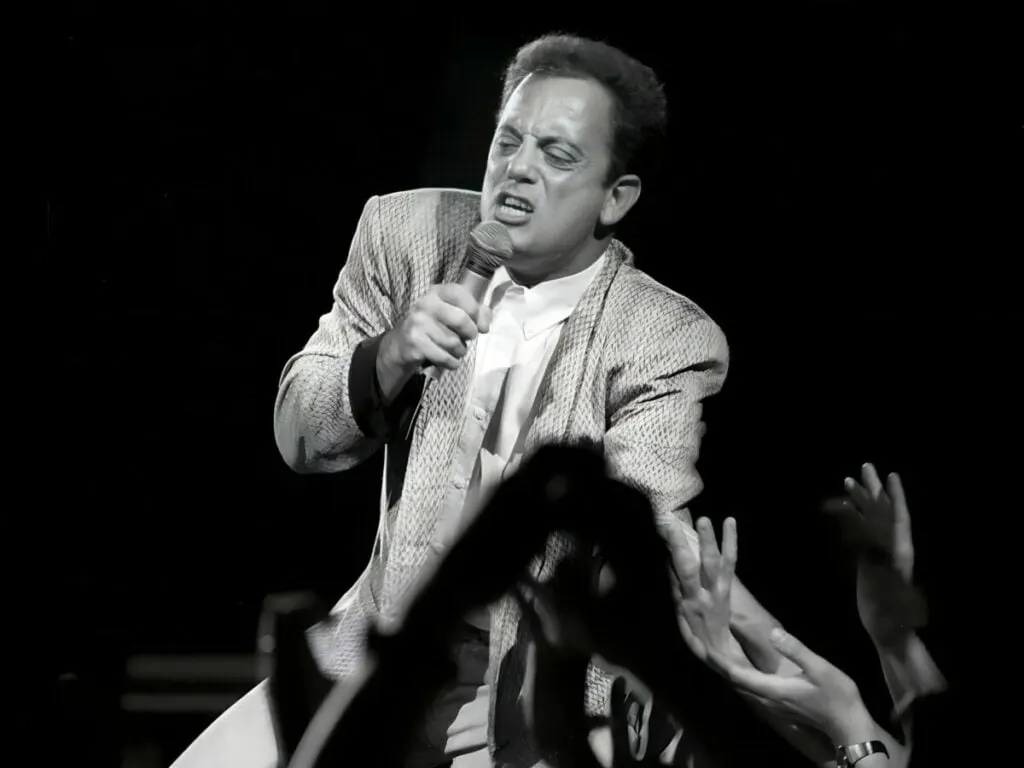
Billy Joel had mixed feelings about the charity single “We Are the World”, recorded in 1985 by a star-studded group to raise money for famine relief. Although he took part and later recalled enjoying the session, he thought the song was overly sentimental and said most of those present disliked it but stayed quiet.
Lionel Richie and Michael Jackson wrote the track, and Quincy Jones guided the singers through a session held in Los Angeles on 28 January, after the American Music Awards. Joel compared the gathering to a school chorus and recalled taking a break with Bruce Springsteen for beer and sandwiches; the article says the single sold 20 million copies.
- Billy Joel found “We Are the World” too sentimental.
- He said most singers disliked it but did not speak up.
- The 1985 charity single sold 20 million copies.
New here? Start with this
In 1985, a group of well-known American musicians recorded “We Are the World” to raise money for people facing famine in Africa. Lionel Richie and Michael Jackson wrote the song, and producer Quincy Jones led the recording session in Los Angeles.
The session brought together singers who did not usually work as a group, including Billy Joel and Bruce Springsteen. The record became a major charity release, and Joel later described having mixed feelings about the song and the experience of recording it.
Both sides, in good faith
The strongest fair case each way — we don't pick a winner.
The case for
A song can be musically sentimental and still serve a worthwhile purpose: its accessible, unifying message helped draw attention and raise substantial money for famine relief. Joel’s recollection that the session felt enjoyable also suggests that taking part could matter to the artists beyond their private views of the song.
The case against
A charitable aim does not make every artistic choice effective or beyond criticism. Joel’s view that the song was overly sentimental, and his recollection that others may have shared that reaction but stayed quiet, support the case that its broad, earnest style could feel forced to some of the people involved.