New releases, music videos and album news — indie, rap, rock and pop. Always covering Ren, Chris Webby, Sam Tompkins, bbno$, CHINCHILLA, Muse, Yungblud and more.
In 1994, Robert Plant gave fans the reunion they wanted. It went so well he needed to destroy it
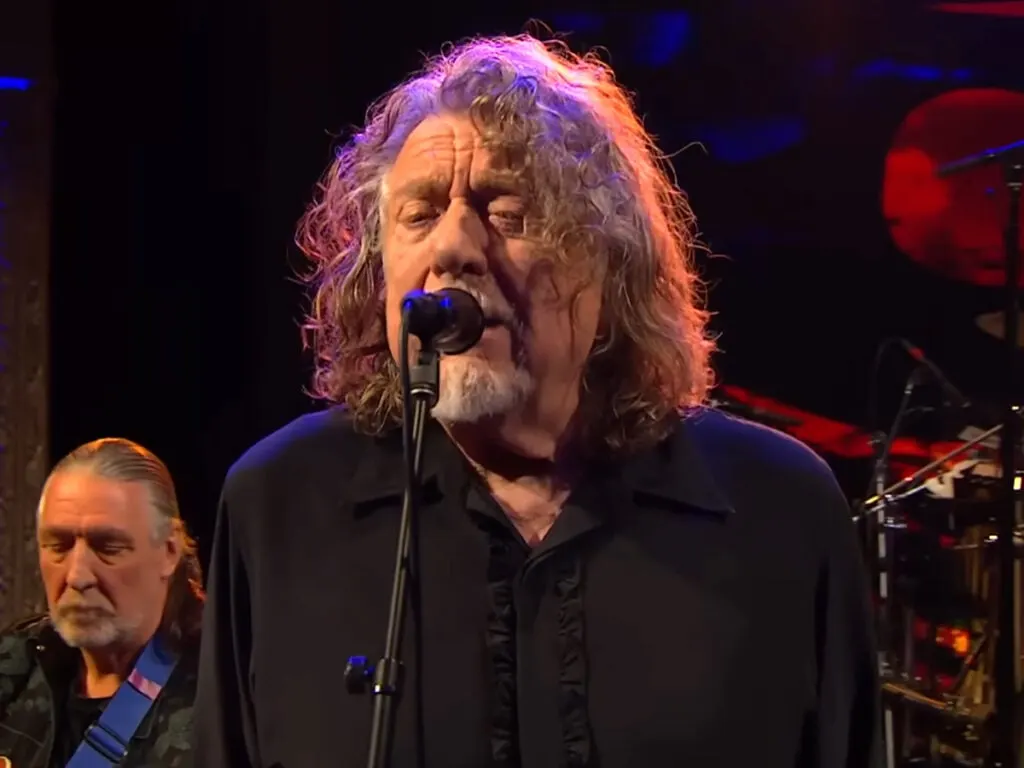
Robert Plant’s post-Zeppelin work with Jimmy Page gave fans a reunion of sorts, blending their shared musical history with newer influences. Although the projects were warmly received, Plant decided to end the partnership when he felt it was time to move on, prioritising creative change over nostalgia.
Their collaboration included *Unledded* and *Walking into Clarksdale*, with Moroccan and Egyptian musicians involved in some of the work. Plant described the period as uneven but said it included remarkable moments and musicians; he also noted that the pair had a great drummer and bass player. The article contrasts this project with Led Zeppelin’s poorly rehearsed Live Aid appearance and says Plant did not want to spend his career repeating his former role as the band’s frontman.
In short
- Plant and Page reunited for projects beyond Led Zeppelin.
- Their music drew on new influences as well as their past.
- Plant ended the partnership when he felt it was time to move on.
Steelman: both sides, in good faith
The strongest fair case each way — we don't pick a winner.
The case for
Plant’s decision to end the partnership can be seen as a defence of artistic growth: the collaboration had revisited Zeppelin’s music and explored new sounds, and repeating that success risked turning a living musician into a custodian of his past. By choosing change over nostalgia, he preserved room to pursue work on his own terms.
The case against
The partnership offered fans a rare chance to hear two musicians with a deep shared history make new work together, and its well-received projects showed that revisiting the past need not mean merely repeating it. Ending it may therefore seem to have cut short a productive collaboration that could have continued to evolve, while disappointing listeners who valued that musical connection.
Explained simply
Led Zeppelin were one of Britain’s most successful rock bands, with Robert Plant as lead singer and Jimmy Page as guitarist. After the group ended in 1980, Plant and Page pursued separate careers, though fans continued to associate them with the band’s songs and sound.
In the 1990s, they worked together again on *Unledded* and *Walking into Clarksdale*, combining familiar musical elements with newer influences and contributions from Moroccan and Egyptian musicians. The partnership mattered because it let the two musicians revisit their shared history while exploring different directions.
Plant later chose to end the collaboration, despite its well-received work, because he wanted to keep changing as a musician. His decision reflects a tension familiar to artists with celebrated pasts: audiences may welcome a return to old successes, while the artists may want to move on.