In 1998, Warner Bros blocked Francis Ford Coppola’s next movie. He was awarded $80 million in damages and ended up with nothing
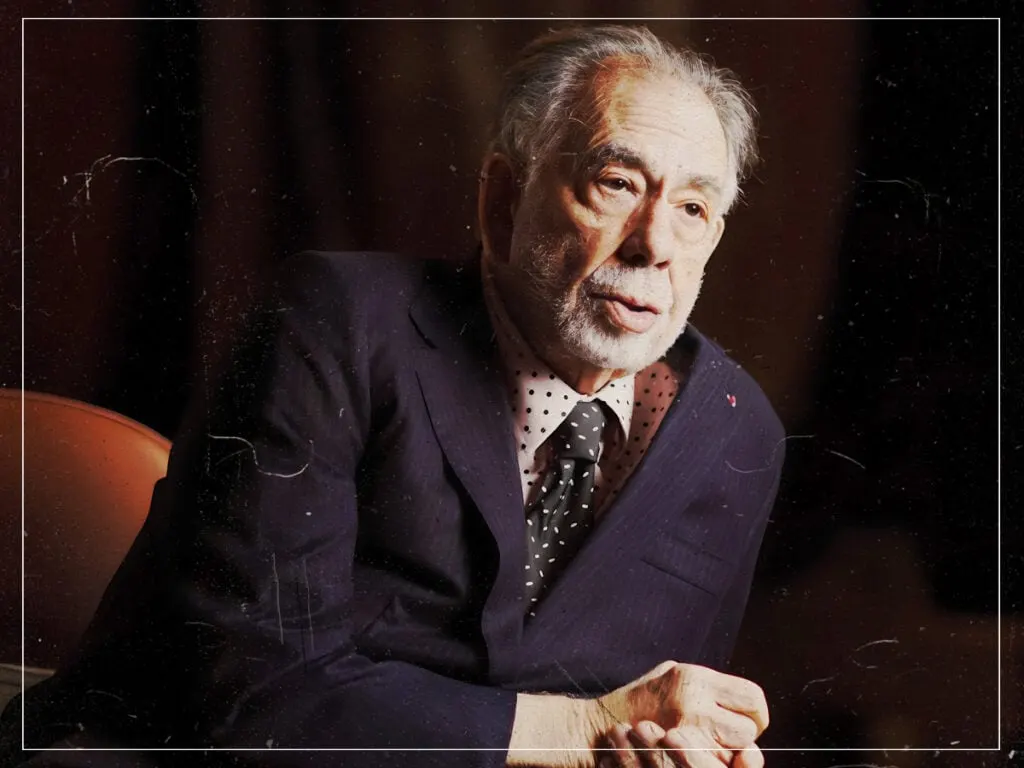
Francis Ford Coppola won an $80 million judgement against Warner Bros in 1998 after the studio tried to prevent his planned Pinocchio film from going ahead. The ruling appeared to vindicate his claim to the project, but the film was never made and the award was later overturned, leaving him with no payment.
Coppola’s adaptation had received approval from Columbia Pictures in 1994, while Warner Bros argued it retained rights because it had previously commissioned a screenplay. The original award comprised $60 million in punitive damages and $20 million in compensation. In 2001, an appeals court removed the $20 million award and rejected Coppola’s appeal over the remaining $60 million, finding Warner’s position had some merit.
In short
- Coppola won an $80 million award against Warner Bros in 1998.
- The dispute centred on his proposed Pinocchio film.
- An appeals court overturned the award in 2001.
Steelman: both sides, in good faith
The strongest fair case each way — we don't pick a winner.
The case for
Coppola’s case was that Columbia had approved his adaptation and that Warner Bros was using an earlier screenplay commission to obstruct a project it no longer had a sound claim to control. Protecting creative independence and honouring later approval could justify substantial damages if the studio’s actions wrongfully prevented the film from being made.
The case against
Warner Bros could argue that its earlier commission gave it continuing rights in the material, so its attempt to stop a competing adaptation was a legitimate effort to protect those rights. The appeals court’s finding that Warner’s position had merit supports the view that the dispute was a genuine disagreement over ownership, rather than clear-cut misconduct warranting the original damages.