New releases, music videos and album news — indie, rap, rock and pop. Always covering Ren, Chris Webby, Sam Tompkins, bbno$, CHINCHILLA, Muse, Yungblud and more.
In 2001, Richard Gere took a risk on a “horrible” role, unaware it would end his 10-year ban from the Oscars
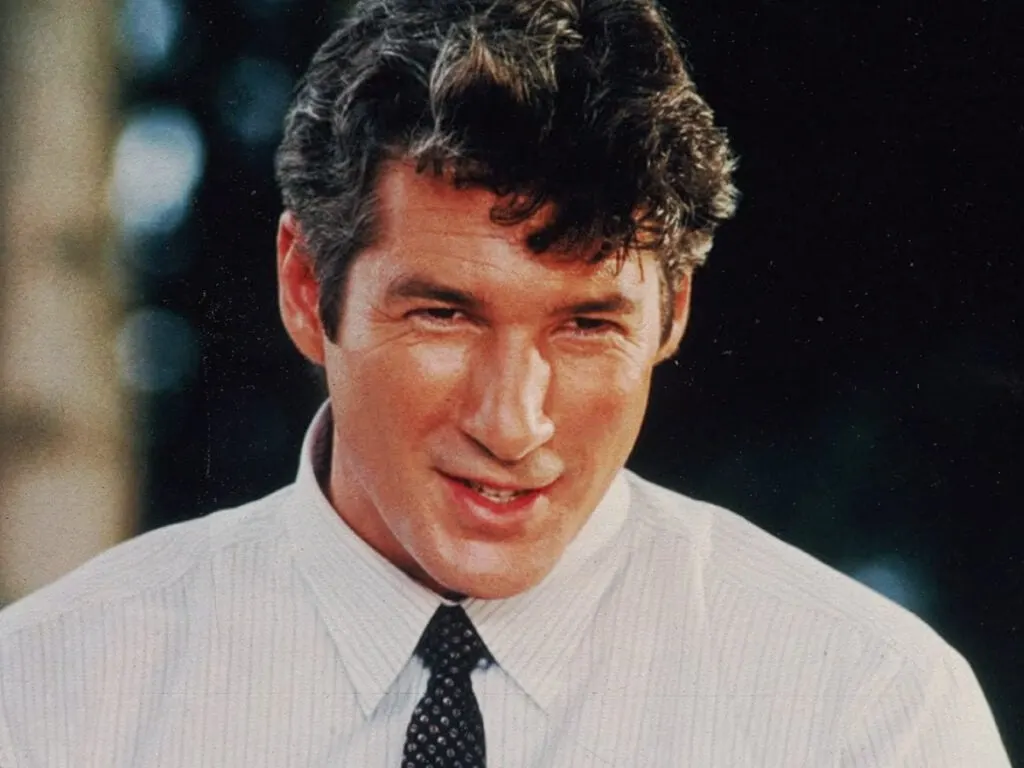
Richard Gere’s outspoken support for Tibet led to a 10-year ban from attending the Oscars after he used his 1993 presenting slot to criticise human rights violations in China. His casting in the 2001 film Chicago helped mark his return to the ceremony, showing how a risky role coincided with the end of his exclusion.
Gere said he was “horrible” at first when he began singing and dancing for the film, having refused to audition beforehand. Chicago later won Best Picture and earned nominations across its cast and crew, including a supporting actress win for Catherine Zeta-Jones; Gere was the only one of its five principal cast members not nominated. He was allowed to attend the Oscars again, though he received no individual recognition.
In short
- Gere’s criticism of China led to a decade-long Oscars ban.
- Chicago helped coincide with his return to the ceremony.
- The film won Best Picture, but Gere was not nominated.
Explained simply
The Oscars are the annual awards presented by the US Academy of Motion Picture Arts and Sciences. Richard Gere is an American actor whose public support for Tibet, a region under Chinese rule, included criticising China’s human rights record during the 1993 ceremony.
Chicago is a 2001 musical film, a story told partly through songs and dance, starring Gere alongside Catherine Zeta-Jones and other well-known actors. Its success brought attention to the cast and crew, while Gere’s part was a departure from his usual roles and required him to learn singing and dancing.