In 2002, the radio stations banned Tom Petty’s new song. He knew he had written a classic
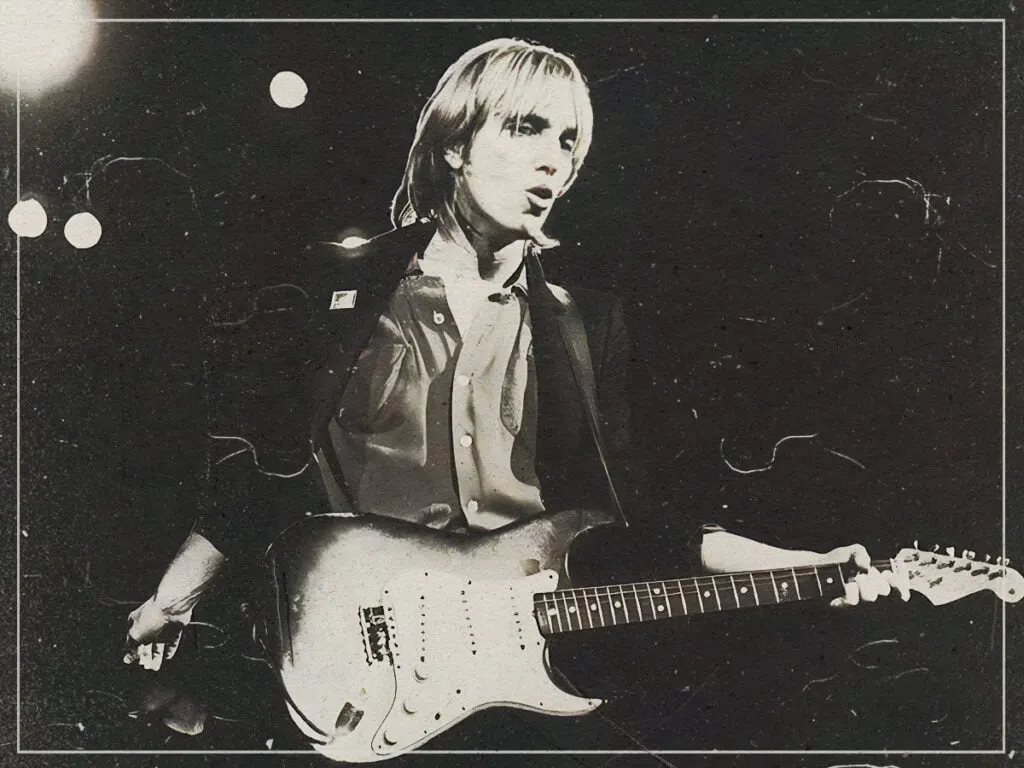
Tom Petty’s song “The Last DJ”, released in September 2002, was banned by some radio stations after its criticism of the commercial pressures shaping radio. Petty said the song’s story of a silenced broadcaster was a metaphor for society losing its moral centre in the pursuit of money.
Petty welcomed the bans, arguing that the stations’ reaction proved the song’s point. He said he had been pleased to hear it was barred for being anti-radio, despite the likely loss of airplay for a major album single. The article presents the dispute as an example of his commitment to artistic freedom and creative control.
- Some radio stations banned Tom Petty’s “The Last DJ”.
- Petty said the song criticised commercial priorities.
- He saw the bans as proof of its message.
Both sides, in good faith
The strongest fair case each way — we don't pick a winner.
The case for
Petty’s supporters could argue that the song gave voice to a real concern: commercial pressures may narrow radio’s willingness to take risks and weaken broadcasters’ independence. The bans appeared to illustrate that concern, while Petty’s acceptance of lost airplay showed a commitment to artistic freedom over commercial advantage.
The case against
Radio stations could reasonably argue that choosing what to broadcast is itself an editorial freedom, and that declining a song critical of the industry does not prove that radio has lost its moral centre. They may also have judged the song’s fit for their audiences or programming, rather than acted to silence criticism; Petty’s metaphor need not settle that question.