New releases, music videos and album news — indie, rap, rock and pop. Always covering Ren, Chris Webby, Sam Tompkins, bbno$, CHINCHILLA, Muse, Yungblud and more.
In 2005, Tilda Swinton needed to terrify children. Her solution was to show absolutely no emotion
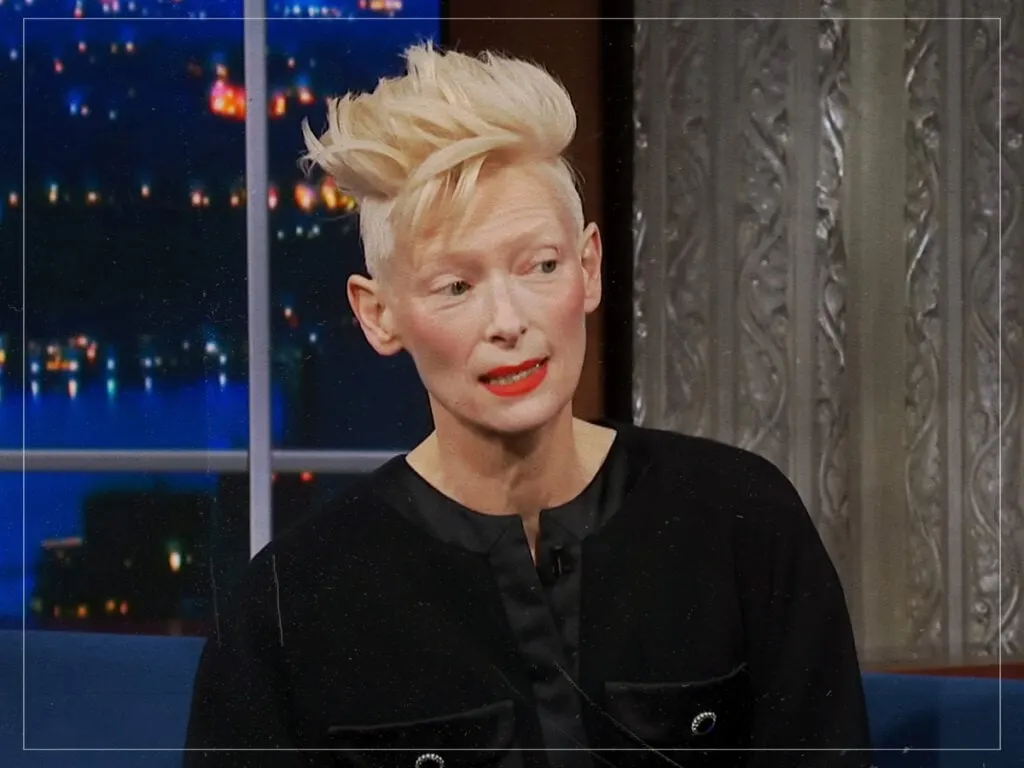
Tilda Swinton said she played the White Witch in *The Chronicles of Narnia: The Lion, the Witch and the Wardrobe* as cold and emotionally unreadable to make her frightening to children. Her approach shaped the 2005 film’s main antagonist as a different kind of villain from the familiar shouting, hot-tempered type.
Swinton explained that she found coldness and unpredictability more unsettling than overt anger, particularly when a character cannot be affected by pleading or provocation. In the story, the Witch has cursed Narnia with eternal winter and tempts Edmund with Turkish delight and the promise of making him king, while the four siblings work with Aslan to restore the land.
In short
- Swinton made the White Witch frightening through coldness and emotional restraint.
- She believed children fear a villain who cannot be moved by pleading.
- The 2005 film casts her as the ruler behind Narnia’s eternal winter.
Explained simply
The Chronicles of Narnia: The Lion, the Witch and the Wardrobe is a 2005 fantasy film based on a book by C. S. Lewis. It follows four siblings who enter the magical land of Narnia, where a curse has brought endless winter.
The White Witch rules Narnia and is the story’s main opponent. She tempts one of the children, Edmund, with Turkish delight and the promise of power, while his siblings join Aslan, a lion, in trying to free the land.
The Witch’s calm, unreadable manner sets her apart from villains who show anger openly. That contrast helps explain how the film presents her as a threat to its young characters.