Entertainment news and discussion on TalkFuse.
In a year defined by price increases, one spec of Lenovo’s latest gaming laptop could suggest cheaper rigs to come
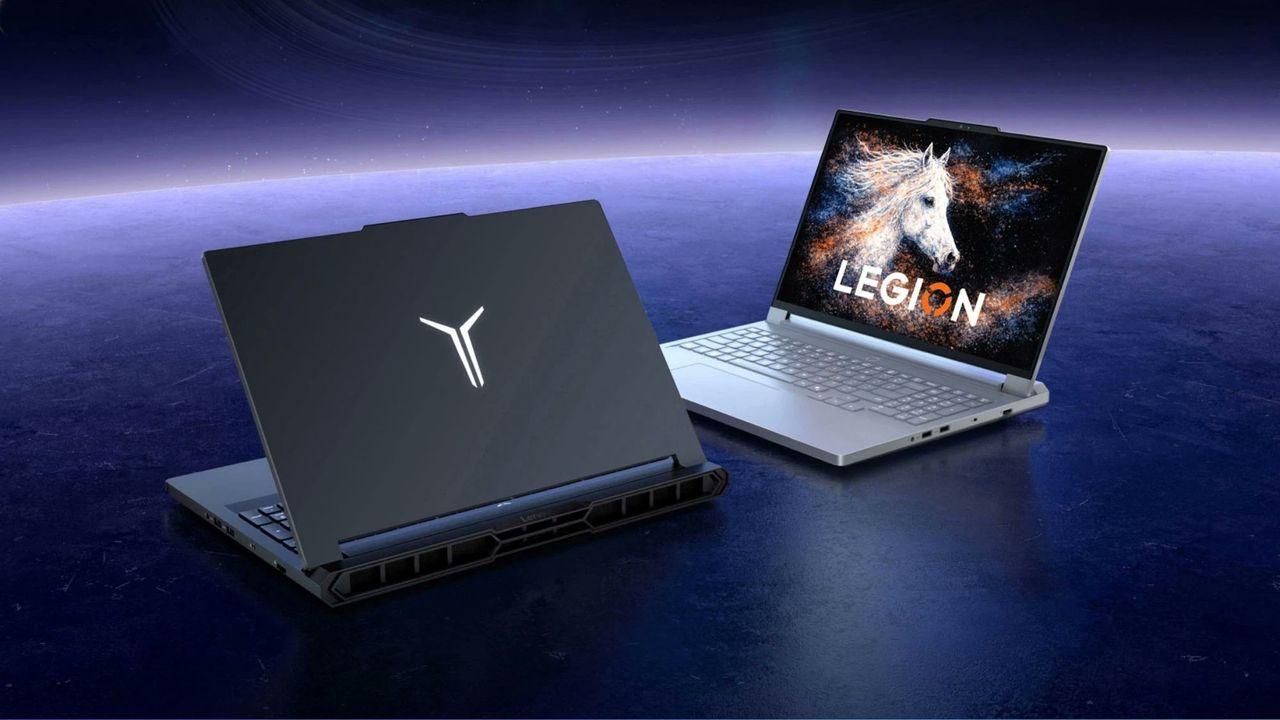
After a sustained period of rising component costs and supply constraints, Lenovo's Legion R9000P offers optimism through its display innovation. The device features the first commercially-deployed Inkjet-Printed OLED panel in gaming laptops, developed by TCL CSOT using an alternative manufacturing approach to traditional production methods.
Conventional OLED screens rely on expensive vacuum thermal evaporation, which wastes considerable material during fabrication. The inkjet method substitutes liquid-based materials, streamlining the process and reducing manufacturing overhead. With TCL CSOT operating their Gen 5.5 production facility since 2024, analysts anticipate this efficiency gain will progressively lower OLED panel costs, making high-end displays more accessible across the gaming laptop market.
In short
- Lenovo's Legion R9000P introduces the first Inkjet-Printed OLED display on a gaming laptop, using a novel manufacturing process developed by TCL CSOT
- The new technology replaces expensive vacuum evaporation with liquid-based materials, reducing waste and production costs
- Industry experts believe this breakthrough could drive down OLED gaming laptop prices significantly in coming years
Steelman: both sides, in good faith
The strongest fair case each way — we don't pick a winner.
The case for
Inkjet-printed OLED manufacturing represents a genuine efficiency gain—less material waste and simpler production processes fundamentally reduce per-unit costs compared to vacuum evaporation methods. Historical precedent shows that manufacturing innovations eventually translate to consumer pricing benefits as competition increases and economies of scale take hold, suggesting consumers could indeed benefit from more affordable high-end displays as TCL CSOT's production scales.
The case against
Manufacturing cost reductions do not automatically translate to lower consumer prices; companies frequently maintain profit margins rather than pass savings to buyers, particularly in premium product categories like gaming laptops where margins are already substantial. The technology remains unproven at volume, and gaming laptop manufacturers have historically prioritised margins over affordability, making it unclear whether this efficiency gain will materialise as cheaper products for consumers.
Explained simply
Gaming laptops have become increasingly expensive in recent years because high-quality display screens are costly to produce. The most advanced screens, known as OLED displays, deliver superior picture quality but have remained an expensive luxury feature found only in premium devices. This has kept such advanced displays out of reach for most gamers.
Lenovo's latest gaming laptop features a new OLED screen manufactured by TCL CSOT using an alternative production method. Rather than using traditional manufacturing that wastes considerable material, these screens are created using an inkjet printing technique with liquid-based materials. This approach is far more efficient and substantially cheaper to produce.
The broader significance is what this development could mean for the wider market. TCL CSOT has been manufacturing at scale since 2024, allowing the technique to improve and costs to continue falling over time. If the price of OLED screens drops significantly, gaming laptops and other premium devices could become more affordable, benefiting consumers across the board.
Entertainment Gadgets Gaming Technology