Politics news and discussion on TalkFuse.
In Italy, young people are targeted by security policies and overlooked by economic ones
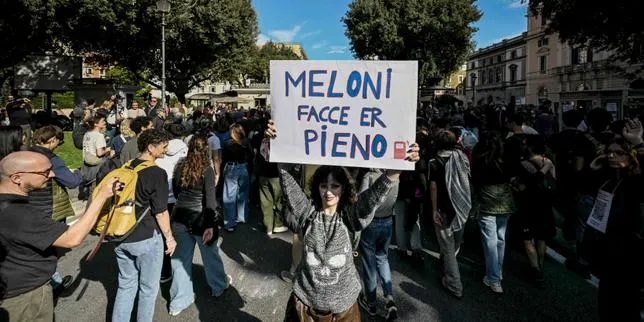
Giorgia Meloni’s government has made tougher security measures affecting young people a prominent part of its agenda, while critics say it has not addressed their economic difficulties with a sustained strategy. The article links this approach to a political climate in which older voters’ concerns about public order carry weight ahead of Italy’s 2027 election.
After protests and disorder in Milan, authorities deployed 500 paratroopers and passed a decree making it easier to detain people aged 14 and over, including preventively. Youth unemployment among 18- to 34-year-olds is 18%, 12 percentage points above the national average, and 630,000 young people left Italy between 2011 and 2024. The government has proposed temporary tax incentives for some under-30s hired on permanent contracts, while economists argue that broader, lasting policies are lacking.
In short
- Meloni’s government has expanded security measures affecting young people.
- Critics say economic support for youth remains piecemeal.
- Youth unemployment is 18%, above Italy’s national average.
Steelman: both sides, in good faith
The strongest fair case each way — we don't pick a winner.
The case for
Supporters can argue that disorder in Milan called for a visible response to protect residents and restore public confidence, and that preventive powers may help authorities intervene before violence escalates. They may also point to the proposed hiring incentives as a practical step to improve young people’s prospects while the government addresses immediate security concerns.
The case against
Critics can argue that easier preventive detention risks restricting young people’s liberty without addressing the conditions behind unrest, and that a security-led response gives too little weight to jobs and opportunity. With youth unemployment well above the national average and many young people leaving Italy, temporary hiring incentives may be inadequate without a sustained economic strategy.
Explained simply
Italy’s government is led by Giorgia Meloni, whose political agenda has put public order and security high on the list. After protests and disorder in Milan, the authorities sent in 500 paratroopers and introduced a decree that allows people aged 14 and over to be detained more easily, including before an offence has taken place.
At the same time, many young adults face difficulties finding work, and hundreds of thousands have left Italy over the past decade. The government has proposed temporary tax incentives for some under-30s hired on permanent contracts; economists say the country lacks a broader, lasting plan to address young people’s economic prospects.
Elections Europe Government Politics World