Culture news and discussion on TalkFuse.
Palestinian and Levantine artists confront exile and loss in Dublin exhibition
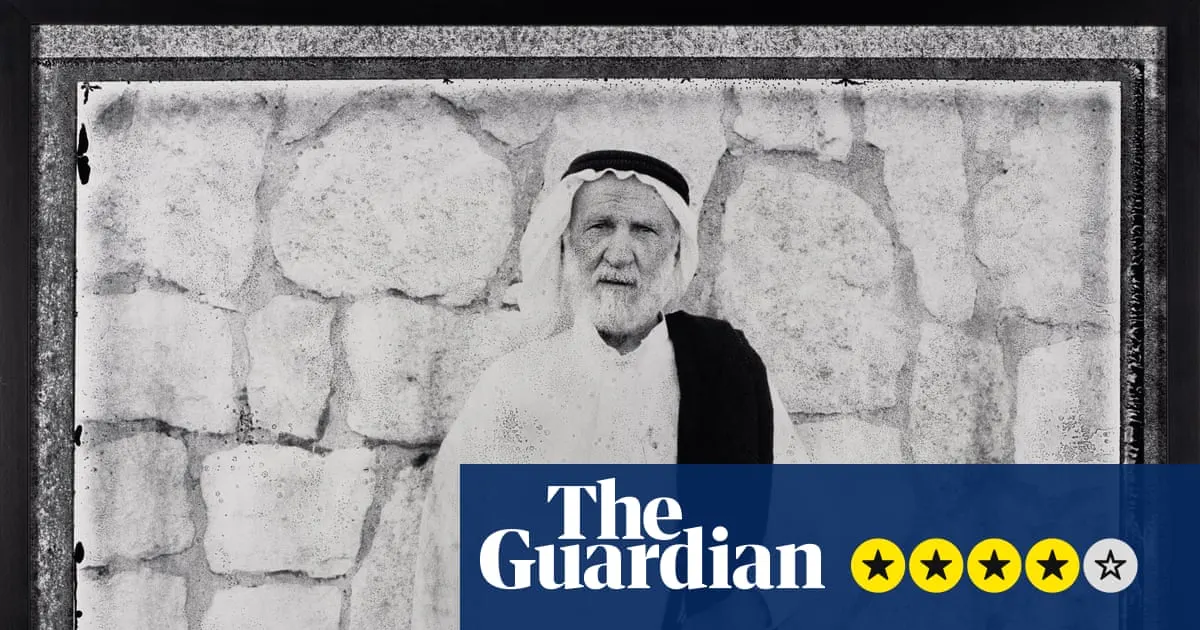
A new exhibition at Dublin’s Irish Museum of Modern Art brings together work by Palestinian and other Levantine artists addressing massacres, displacement and the loss of connection to home. The works connect personal experiences of exile with the region’s political history, showing how conflict and occupation shape both individual lives and artistic expression.
The exhibition includes Simone Fattal’s basalt slabs inscribed with massacre-site names and a poem by Etel Adnan, as well as Hazem Harb’s suitcase from Gaza and collages referring to its demolished airport. Photographs by Rula Halawani and Tarek Al-Ghoussein explore checkpoints and fragmented identity, while Basma Al-Sharif and Khalil Rabah examine how political conditions and environmental destruction shape stories of the Levant. The article presents recurring images of water, drought and the sea as symbols of loss, memory and belonging.
In short
- Dublin exhibition explores Palestinian history through art.
- Artists address exile, identity and environmental destruction.
- Water and sea recur as symbols of memory and loss.
Explained simply
The Levant is a region of the eastern Mediterranean that includes Palestine and countries such as Lebanon and Syria. Its modern history has been shaped by wars, changing borders, displacement and, in Palestine, Israeli occupation; these events have affected people’s homes, movement and ties to place.
Palestinian and other Levantine artists often draw on personal and family histories alongside this wider political past. Exile can mean living away from home, sometimes by choice and sometimes because conflict or political restrictions make return difficult. Artworks about journeys, borders and damaged landscapes can therefore connect private memories with shared histories.
The Irish Museum of Modern Art is a public art museum in Dublin. An exhibition there brings together artists whose work engages with these themes, offering visitors ways to consider how memory, identity and belonging are shaped by displacement and conflict.
Read the full article at the source →
Originally published by The Guardian as “‘In our lands the rain is made of bullets’: Palestinian artists look back in anger, melancholy and defiance”.