In the 1970s, a true jazz great was murdered. He was killed by the woman who’d saved his career
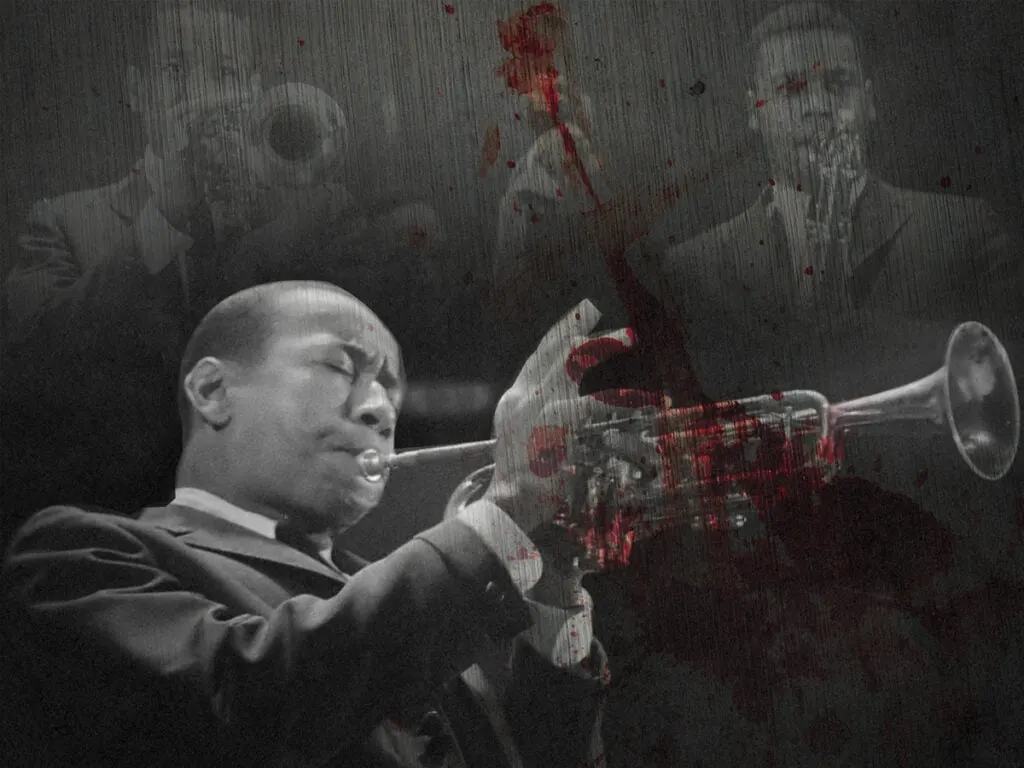
Slugs’ Saloon became a home for adventurous jazz musicians in New York’s East Village, offering a supportive stage to players who had fallen out of favour elsewhere. Its history is tied to trumpeter Lee Morgan, whose career was revived after he met Helen in 1967, and whose murder later brought the club’s story to a tragic end.
The club opened in 1964 in a converted Ukrainian bar bought for $10,000, and hosted musicians including Charles Mingus, Wayne Shorter and Sun Ra during its eight-year run. Morgan had played with Dizzy Gillespie by 18 and recorded with John Coltrane and Art Blakey, but drug addiction left him struggling; by 1967 he had pawned his trumpet. The article says Helen helped him rebuild his career, though accounts differ over her surname and she and Morgan did not formally marry.
In short
- Slugs’ Saloon gave adventurous jazz musicians a place to play.
- Lee Morgan’s career recovered after he met Helen.
- Morgan’s murder led to the club’s closure.
Explained simply
Slugs’ Saloon was a small jazz club in New York’s East Village, where musicians could play when other venues had stopped booking them. It opened in 1964 in a former Ukrainian bar and became a gathering place for adventurous jazz players, including Charles Mingus, Wayne Shorter and Sun Ra.
Lee Morgan was a trumpeter who had recorded and performed with leading jazz musicians, but drug addiction damaged his career. He met Helen in 1967, when he had pawned his trumpet; she helped him return to performing, though accounts vary about her surname and the two did not formally marry.
The club’s story is also linked to Morgan’s death: he was murdered there in the 1970s by Helen. The story matters because it brings together the club’s role in New York jazz and the personal relationship behind Morgan’s career revival and killing.