World news and discussion on TalkFuse.
In the Rohingya refugee camps, watching Myanmar being found guilty of genocide: ‘This is a time to remember those who are no longer with us’
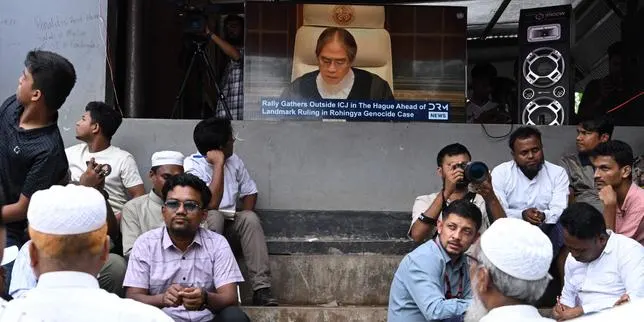
Rohingya refugees in camps in Bangladesh watched the International Court of Justice rule that Myanmar had committed genocide against the Rohingya in northern Rakhine State in August 2017. The verdict was described by refugees as historic, offering legal recognition and a measure of justice, while bringing painful memories of family loss and displacement back to the surface.
More than one million Rohingya live in the camps; about 800,000 fled Myanmar’s 2017 violence, in which 10,000 people were killed, according to the article. Refugees said the decision does not immediately change their circumstances and called for those responsible to be held individually accountable. They also stressed that a safe return would require citizenship, equal rights and recognition of their identity.
In short
- The ICJ ruled Myanmar committed genocide against the Rohingya.
- Refugees in Bangladesh watched the verdict as a historic moment.
- Many say justice still requires accountability and restored rights.
Explained simply
The Rohingya are a mostly Muslim minority from Myanmar’s Rakhine State, where many have faced restrictions on their rights and citizenship. In 2017, violence by Myanmar’s military drove hundreds of thousands from their homes into neighbouring Bangladesh.
The International Court of Justice is the United Nations’ highest court and hears disputes between countries. The case concerns whether Myanmar violated the Genocide Convention, an international agreement aimed at preventing and punishing genocide.
More than a million Rohingya now live in refugee camps in Bangladesh, many without a clear route home. For a safe return, refugees say they would need citizenship, equal rights and recognition of their identity.