Entertainment news and discussion on TalkFuse.
In the Wake of ‘You Can See Everything,’ Netflix’s ‘Possible Love’ Questions the Authenticity of Documentary Filmmakers
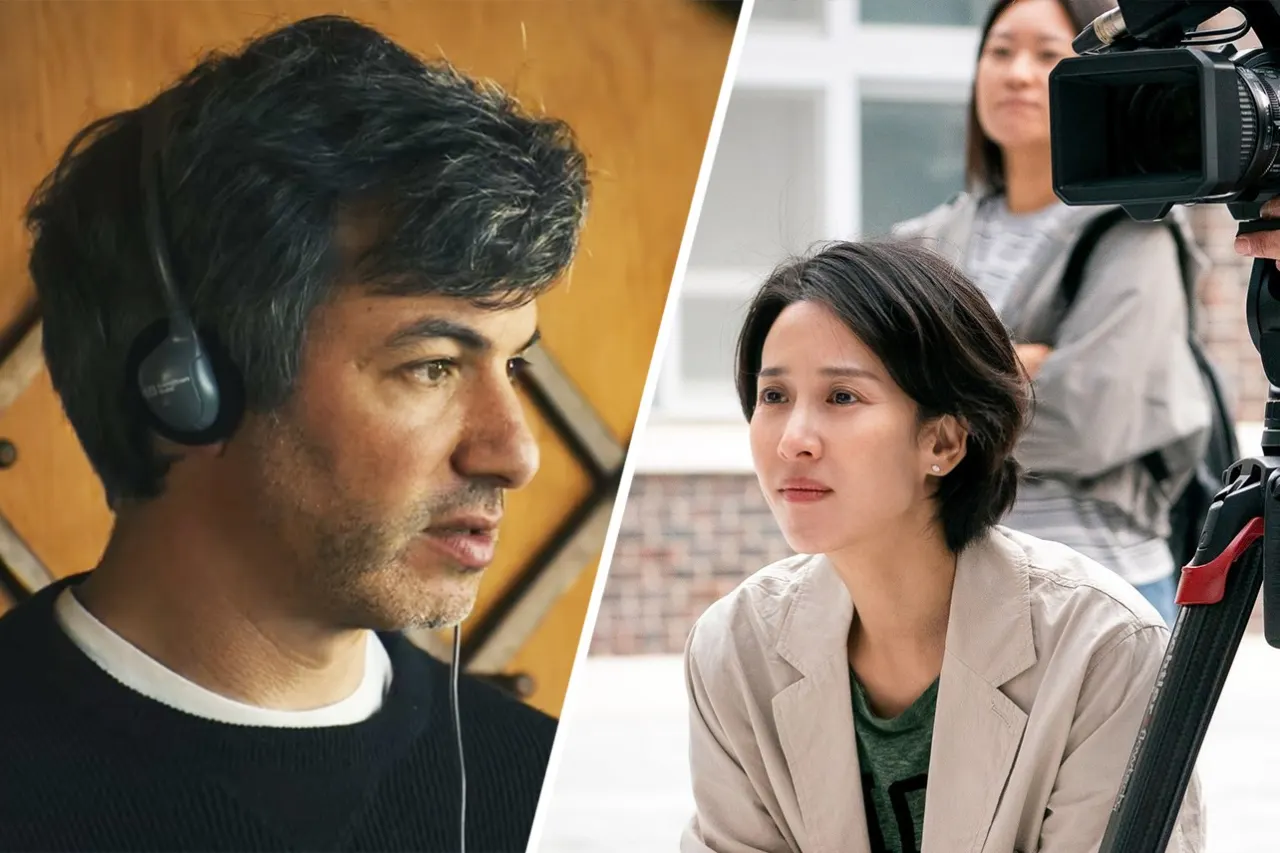
Lee Chang-dong’s Netflix drama *Possible Love* explores whether documentary filmmakers can be trusted to present the truth, pairing its fictional story with questions raised by the documentary *You Can See Everything*. It matters because both films challenge the idea that filmmakers are neutral observers, showing how personal feelings, power and artistic aims can shape what viewers see.
Jeon Do-yeon plays Mi-ok, who agrees to appear in a documentary about laid-off auto workers, including her husband Ho-seok, traumatised by a brutal strike. The filmmaker, Director Lee, grows close to the couple while recording their lives, but films Mi-ok’s vulnerable breakdown and switches off the camera when sharing her own personal moments. The article contrasts this manipulation with *You Can See Everything*, which leaves viewers wondering whether Nathan Fielder’s feelings for its subject, Elizabeth Holmes, affected his work.
In short
- *Possible Love* questions whether documentary makers can be impartial.
- Director Lee’s friendship with Mi-ok is shaped by the camera.
- *You Can See Everything* raises doubts about Fielder’s objectivity.
Steelman: both sides, in good faith
The strongest fair case each way — we don't pick a winner.
The case for
Documentary filmmakers inevitably make choices about what to film, what to omit and how to shape a story, so personal involvement does not by itself make their work dishonest. Closeness to subjects can build trust and reveal experiences that a more detached observer might miss; the key question is whether filmmakers are transparent about their role and treat vulnerable participants fairly.
The case against
Because documentaries present real people and events as factual, filmmakers have a particular duty to guard against letting personal feelings or artistic aims distort what viewers see. Selectively recording a subject’s vulnerability while withholding the filmmaker’s own comparable moments can create an unequal, misleading portrait, especially when participants have less control over how their lives are represented.