Inaccurate data included in DOGE ‘Wall of Receipts’ report, GAO says
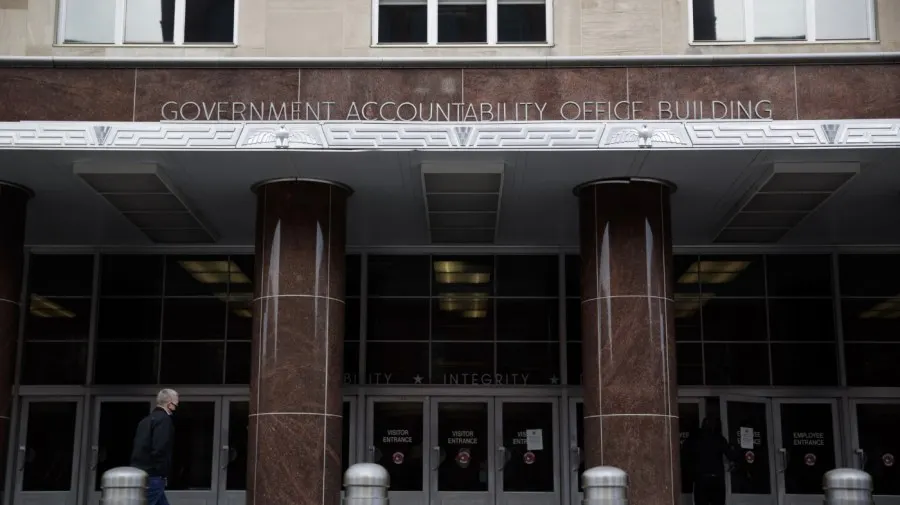
The Government Accountability Office found that some savings claimed by the Department of Government Efficiency (DOGE) on its online “Wall of Receipts” were inaccurate or unsupported. The findings matter because unreliable official data can mislead policymakers and weaken public confidence in government reporting.
The GAO found that 108 of 264 leases listed as cancelled were already being terminated before DOGE was established, while a claimed $1.7 billion saving from a Defence Department IT contract did not materialise because the contract was not terminated. DOGE had reported $110 billion in savings by 7 July 2026, but the watchdog said it lacked transparency about how figures were calculated and did not respond to requests for information.
In short
- GAO found DOGE’s reported savings were sometimes inaccurate or unsupported.
- Many listed lease cancellations predated DOGE.
- A claimed $1.7 billion contract saving was never achieved.
Steelman: both sides, in good faith
The strongest fair case each way — we don't pick a winner.
The case for
Those who support DOGE's efforts might argue that identifying genuine waste in government budgets is an inherently valuable mission, and that perfection in initial data reporting should not be allowed to undermine this broader goal. They would note that any large audit of government operations encounters categorisation challenges, such as whether terminating a lease faster than originally planned constitutes a DOGE success or merely acceleration of an existing plan, and that reasonable people disagree on such methodological questions. In this view, early reports inevitably contain errors that subsequent refinement addresses, and critics should focus on whether the core mission to find waste is sound rather than treating data imperfections as evidence of fundamental dishonesty.
The case against
Those concerned about the GAO's findings would argue that accurate, transparent official reporting is foundational to accountable government and public trust in institutions. They would point out that the GAO found specific, factual errors—such as counting lease terminations that were already underway before DOGE existed, and claiming £1.7 billion in savings from a Defence Department contract that was never actually terminated—which suggest these are not mere categorisation ambiguities but substantive misstatements. Combined with DOGE's apparent unwillingness to respond to audit requests and explain how figures were calculated, these problems prevent policymakers and the public from evaluating claims properly and undermine the very credibility that any efficiency initiative requires.
Explained simply
The Department of Government Efficiency, known as DOGE, was set up to identify ways to reduce federal government spending. It published claimed savings on an online page called the “Wall of Receipts”, including cancelled leases and contracts.
The Government Accountability Office, or GAO, is an independent watchdog that checks how federal agencies use public money. Its review found problems with some entries, including leases already being ended and a contract that remained in place. The findings matter because clear, reliable figures help officials and the public judge whether reported savings are real.
Art Culture Government Politics