World news and discussion on TalkFuse.
‘Inadequate’ police response criticised after protesters intimidate people attending a synagogue event
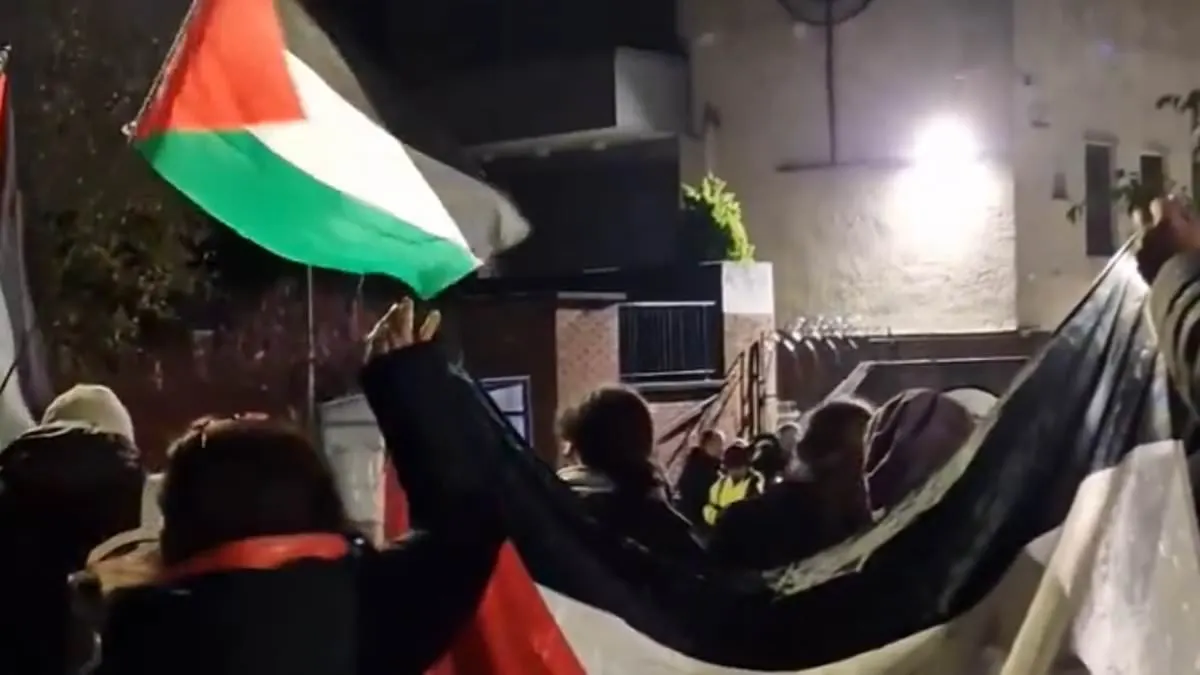
Around 50 protesters gathered outside Giffnock Newton Mearns Synagogue in Glasgow on Sunday while it hosted an event about moving to Israel. Jewish community groups criticised Police Scotland’s response as inadequate, saying attendees faced intimidation and abuse; the dispute raises concerns about the safety of people attending Jewish communal events.
The event was organised by Shivat Zion, which supports people interested in emigrating to Israel and has been accused of promoting illegal West Bank settlements. Community groups said protesters shouted obscenities and struck vehicles with placards, while a Shivat Zion spokesman described the verbal confrontation as intimidating. Police said officers attended at about 6.15pm, the group later dispersed, no arrests were made and extra patrols were being carried out.
In short
- About 50 people protested outside a Glasgow synagogue.
- Jewish groups said attendees were intimidated and police presence was inadequate.
- Police reported no arrests and said extra patrols were under way.
Steelman: both sides, in good faith
The strongest fair case each way — we don't pick a winner.
The case for
Jewish community groups can reasonably argue that police should have acted more decisively to protect people attending a synagogue event, particularly given reports of abuse, intimidation and placards striking vehicles. A prompt, visible response may help ensure that people can participate in communal life safely and that protest does not become harassment.
The case against
Police Scotland can reasonably point to officers attending, the protesters dispersing and no arrests being made, while noting that additional patrols were arranged. Authorities also have to protect the right to peaceful protest, including criticism of organisations accused of supporting illegal settlements, and judge whether intervention is warranted by the conduct observed and available evidence.