World news and discussion on TalkFuse.
Incoming House chair threatens SpaceX funding over Ukraine controversy
Developing story first seen 4 hours ago
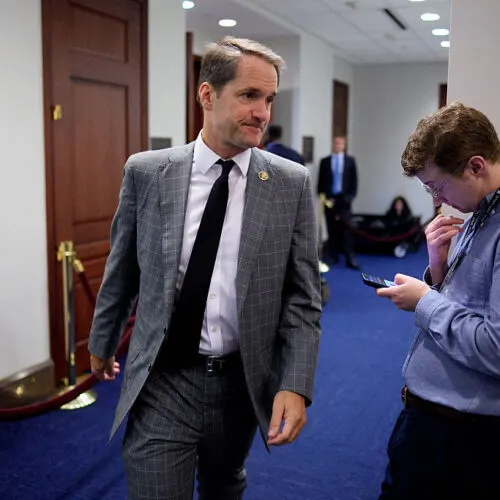
Jim Himes, who is expected to chair the US House Intelligence Committee in January, has warned that he may withhold support for funding government-owned systems built by SpaceX until the company answers questions about Starshield in Ukraine. His intervention raises the prospect that scrutiny of reported service changes could affect SpaceX’s wider national security contracts.
Himes asked Elon Musk to explain what changed in October 2026, why it changed and whether SpaceX or a US official directed it. Starshield interruptions in Ukraine have reportedly disrupted connectivity for drones defending against Russian attacks, but responsibility remains disputed; Musk says US officials control access. SpaceX has a $2.29 billion Space Force contract for a data network backbone, which could also face congressional scrutiny.
- Sources
- 2
- Outlets
- 2
- Left · Centre · Right
- 0 · 0 · 0
In short
- Himes may oppose funding for SpaceX government systems.
- He wants answers about October Starshield changes in Ukraine.
- Scrutiny could reach a $2.29 billion Space Force contract.
How this story developed
- 2 hours ago Jim Himes, the incoming chair of the US House Intelligence Committee, has threatened to withhold support for funding government-owned systems built by SpaceX unless the company explains changes to its Starshield service in Ukraine.
- 2 hours ago Jim Himes, who is expected to chair the US House Intelligence Committee in January, has warned that he may withhold support for funding government-owned systems built by SpaceX until the company answers questions about Starshield in Ukraine.
Steelman: both sides, in good faith
The strongest fair case each way — we don't pick a winner.
The case for
Himes can argue that Congress has a duty to oversee public funds and national security contracts, especially when reported service changes may have disrupted Ukrainian military communications. Requiring SpaceX to explain who authorised the changes and why would help establish whether the company followed its obligations and whether safeguards are needed for other government systems.
The case against
SpaceX can argue that decisions about Starshield access are controlled by US officials, as Musk says, and that congressional threats to funding before the facts are established risk unfairly assigning responsibility. The company may also contend that operational details involving military communications require care, and that scrutiny should distinguish its performance under the separate Space Force contract from the Ukraine dispute.
Explained simply
Starshield is a SpaceX service developed for government and military use, including communications. SpaceX, founded by Elon Musk, also supplies satellite internet services used in Ukraine, where reports have linked Starshield interruptions to reduced connectivity for some military drones.
The US House Intelligence Committee oversees scrutiny of intelligence matters, and Jim Himes is due to lead it. SpaceX also has a large US Space Force contract for a data network, so questions about how the company handles government services could affect wider debate over its national security work.