World news and discussion on TalkFuse.
Incoming UK PM Andy Burnham rejects Thatcher-era policies, signals leftward shift
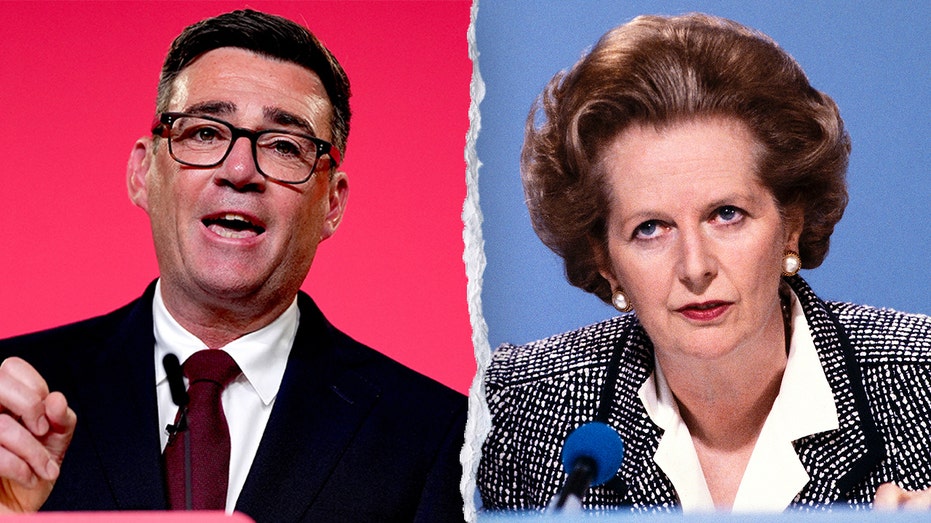
Andy Burnham has been elected as the new Labour Party leader and will formally assume office as United Kingdom prime minister on Monday, succeeding Keir Starmer. His election represents a transition in the party's leadership during the Labour government's tenure.
In his inaugural address as party leader, Burnham departed from his predecessor's positioning by directly criticising the economic model adopted during Margaret Thatcher's premiership in the 1980s, which he described as involving "a series of wrong turns." He pledged to expand public ownership and control over essential services, marking a clear ideological shift leftward from Starmer's approach to economic governance.
In short
- Andy Burnham elected Labour Party leader, set to become UK prime minister Monday
- Signaled leftward shift by criticising 1980s Thatcher-era economic policies and promising greater public control of essential services
Steelman: both sides, in good faith
The strongest fair case each way — we don't pick a winner.
The case for
Supporters of Burnham's approach argue that Thatcher-era policies of privatisation and market-driven governance have left Britain's essential services underfunded, unequal, and accountable to shareholders rather than citizens. Public ownership ensures services are run for public benefit, improves affordability and quality, and allows democratic control over crucial infrastructure—a model demonstrated successfully across Nordic countries. They contend that decades of underinvestment have weakened the economy and that returning to strategic public ownership addresses both fairness and long-term prosperity.
The case against
Critics contend that Thatcher-era reforms brought necessary economic discipline, controlled inflation after 1970s stagflation, and enabled productivity gains. They argue that competitive markets drive efficiency and innovation in service delivery, whilst public ownership often generates inefficiency, waste, and bureaucratic inertia. They warn that expanded public ownership risks inflation, deters private investment, and diverts resources from productive uses, arguing that improving market competition—not abandoning it—is the path to prosperity and better services.
Explained simply
Andy Burnham has been elected as Labour Party leader and will become prime minister on Monday, replacing Keir Starmer. The leader of the Labour Party, Britain's centre-left governing party, automatically becomes the country's prime minister.
Margaret Thatcher served as prime minister from 1979 to 1990 and pursued economic policies that reduced the state's role in the economy, including privatising many public services and utilities. Her approach became deeply influential in British politics and shaped economic policy across governments for decades.
Burnham's election marks a significant ideological shift, as he has publicly rejected this Thatcher-era model and committed to expanding public ownership of essential services instead. This represents a move towards traditionally left-wing Labour policies and differs notably from the approach taken by his immediate predecessor.