World news and discussion on TalkFuse.
Independent wrestling’s heart still beating even as social media begins to write its obituary
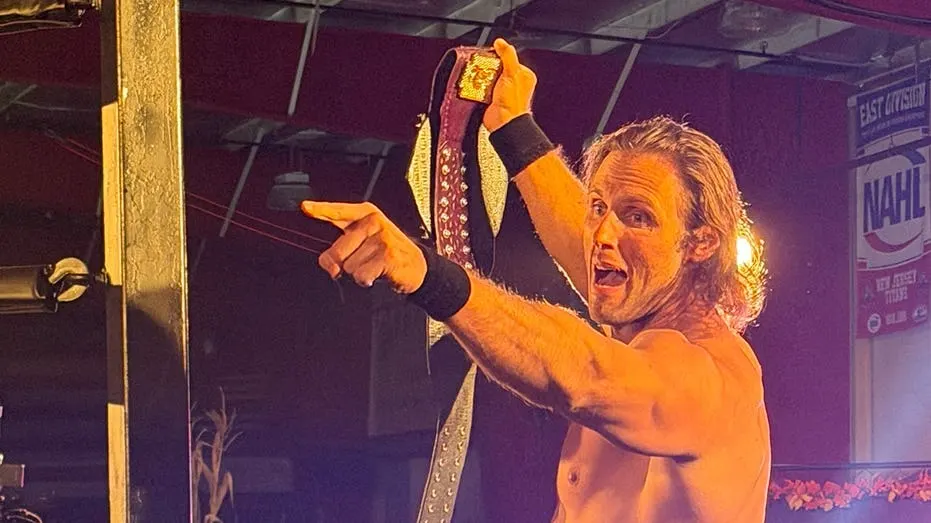
Independent wrestling drew a strong crowd at Fight Factory’s No Thanks Given event in Middletown, New Jersey, challenging claims on social media that the scene is dying. The article argues that, despite some promotions announcing pauses, local shows still attract engaged fans and give wrestlers a place to perform.
The event took place at an ice rink and featured several matches, including a main event in which Steve Gibki defeated TNA wrestler KC Navarro in a no-holds-barred bout. Ben Bishop estimated attendance at between 300 and more than 400 people, and said talk of the independent scene’s death resurfaces every few months as wrestling changes. Produce Wrestling has already scheduled a show for 25 February after announcing a hiatus.
In short
- Fight Factory’s New Jersey show filled the available seats.
- Ben Bishop put attendance at 300 to more than 400.
- Some promotions pausing has prompted claims that indies are dying.
Steelman: both sides, in good faith
The strongest fair case each way — we don't pick a winner.
The case for
The strong turnout at Fight Factory and Produce Wrestling’s return date suggest that independent wrestling still has an audience and can adapt as the industry changes. Local shows offer wrestlers opportunities to perform and give fans an engaged, community-based experience that social media claims of the scene’s death may overlook.
The case against
One well-attended event and a scheduled show do not establish the health of the wider independent scene, particularly when some promotions have paused. Those raising concerns may be responding to genuine pressures on smaller organisations; recurring claims of decline could reflect real instability even while individual local events remain popular.
Explained simply
Independent wrestling refers to shows run outside the major televised companies, often by local promotions in small venues. These events give wrestlers opportunities to perform and let fans watch matches in their own communities.
Local promoters organise the shows, while wrestlers may also work for larger companies. The independent scene changes as promotions start, pause or close, and wrestlers move between them.
Social media claims that independent wrestling is dying can be hard to assess because the scene has no single measure of its health. Attendance at local shows and the ability of promotions to keep organising events offer some indication of whether audiences and opportunities remain.