India police fire tear gas at protesters seeking exam reforms
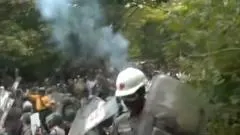
Police in the eastern Indian state of Jharkhand fired tear gas, used water cannon and baton charges on protesters demanding reform of the state's government recruitment exam system, after crowds tried to breach barricades on their way to the state assembly in Ranchi. Thousands of students, job seekers and volunteers have been protesting for more than two weeks, and the unrest follows weeks of similar nationwide demonstrations over exam paper leaks, including the "Cockroach" protests in Delhi that led to the resignation of the education minister.
The immediate trigger was a preliminary civil service exam held by the Jharkhand Public Service Commission in April, after which leaked answer sheets suggested some successful candidates had answered suspiciously few questions, fuelling allegations that results had been manipulated. A police official said most protesters were peaceful but blamed a smaller group for stone-throwing that injured three officers; the official number of injured protesters is unclear. The state's Criminal Investigation Department is probing the allegations, more than a dozen people have been arrested, and the JPSC chairman, who resigned in July, was arrested on Monday. The government has agreed to cancel the disputed exam and two others, but protesters say the agitation will continue until all their demands, including a fuller investigation into irregularities, are met.
In short
- Tear gas fired on Jharkhand protesters demanding exam system reforms
- Leaked answer sheets sparked claims of rigged civil service exam results
- Government cancelled disputed exams; protests continue over unmet demands
Steelman: both sides, in good faith
The strongest fair case each way — we don't pick a winner.
The case for
Police and authorities have legitimate responsibility for maintaining public order and protecting both infrastructure and personnel. When large crowds attempt to breach barricades and some members resort to stone-throwing that injures officers, authorities face genuine constraints in managing the situation. The government has already responded substantively by agreeing to cancel the disputed exams and launching investigations, including the arrest of the JPSC chairman. At some point, continued agitation despite these concessions can be viewed as exceeding the bounds of legitimate protest, particularly when the security of state institutions is threatened.
The case against
Citizens possess a fundamental right to petition their government for redress of legitimate grievances, especially where serious allegations of institutional corruption and exam manipulation have been documented. The underlying concerns about answer sheet leaks and suspicious results represent genuine threats to fairness and opportunity for thousands of job seekers. Whilst some confrontation occurred, the vast majority of protesters were peaceful, and the use of tear gas and water cannons against largely peaceful demonstrations raises serious questions about proportionality. Mere cancellation of exams is insufficient; a thorough investigation into how manipulation occurred and accountability for those responsible is essential to restore public faith in the recruitment system.
Explained simply
Jharkhand is a state in eastern India, and Ranchi is its capital. The Jharkhand Public Service Commission, or JPSC, runs exams to recruit people for state government jobs, including civil service roles.
The dispute centres on claims that answer sheets from an April recruitment exam were leaked and that its results may have been manipulated. The allegations are under investigation, and the controversy has added to wider concerns in India about exam leaks and fairness in public-sector recruitment.
The issue matters to students and job seekers competing for a limited number of government posts, and to the state government responsible for overseeing recruitment. Protesters are seeking changes to the exam system and a fuller investigation into alleged irregularities.