World news and discussion on TalkFuse.
India-US trade deal nearing completion, minister says
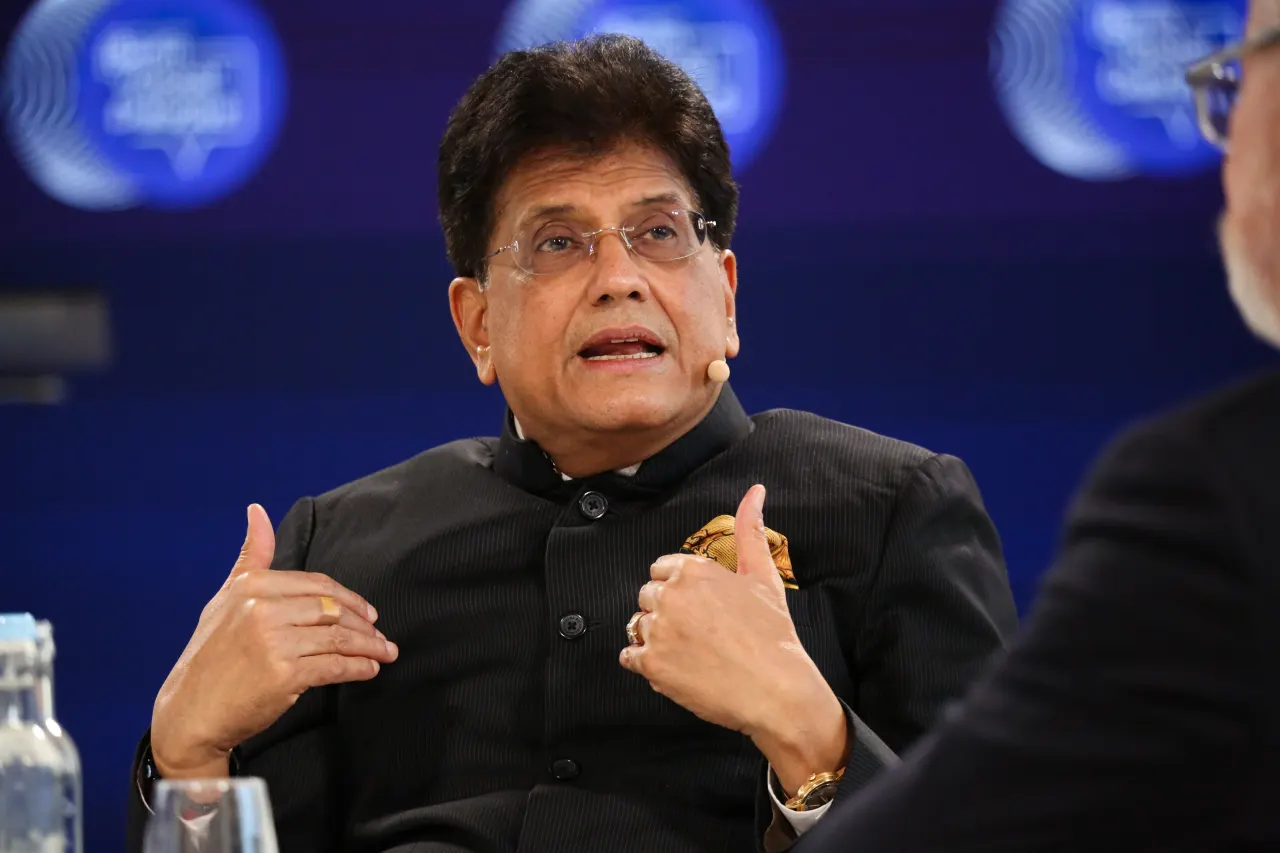
India’s Trade Minister Piyush Goyal says a long-anticipated trade agreement with the United States is close to completion. Progress matters because a deal could avert higher US tariffs on Indian imports.
US Trade Representative Jamieson Greer said Washington would cap the tariffs at 17% if an agreement were reached, avoiding a rise to 25%. Goyal said the process for finalising the deal was taking shape, while India’s trade ministry said it was reviewing a US notice and had argued that India had no structural excess capacity in any industry.
In short
- India and the US are nearing a trade agreement.
- A deal could cap US tariffs on Indian imports at 17%.
- Without an agreement, tariffs could rise to 25%.
Steelman: both sides, in good faith
The strongest fair case each way — we don't pick a winner.
The case for
Supporters of a swift agreement argue that securing a deal with the United States would protect Indian exporters from a steep rise in tariffs, preserving jobs and market access in sectors such as textiles, gems and engineering goods. They see a negotiated framework as a pragmatic route to stability, giving businesses the predictability needed for investment and long-term planning. From this view, a capped tariff of 17 per cent is a meaningful concession that is worth pursuing, and delay risks losing ground to competitors who may secure better terms first.
The case against
Critics who urge caution argue that the terms of any deal must be scrutinised carefully, particularly where US demands could affect India's domestic industrial policy or its position on excess capacity, a point the trade ministry has actively contested. They worry that accepting a framework under pressure could lock in concessions that benefit larger partners more than Indian producers, especially small and medium enterprises. From this perspective, patience and rigorous negotiation are preferable to a rushed agreement, even at the cost of short-term tariff uncertainty.
Americas Asia Government Politics World