World news and discussion on TalkFuse.
Indiana carries out first of 3 executions taking place on a single day in US
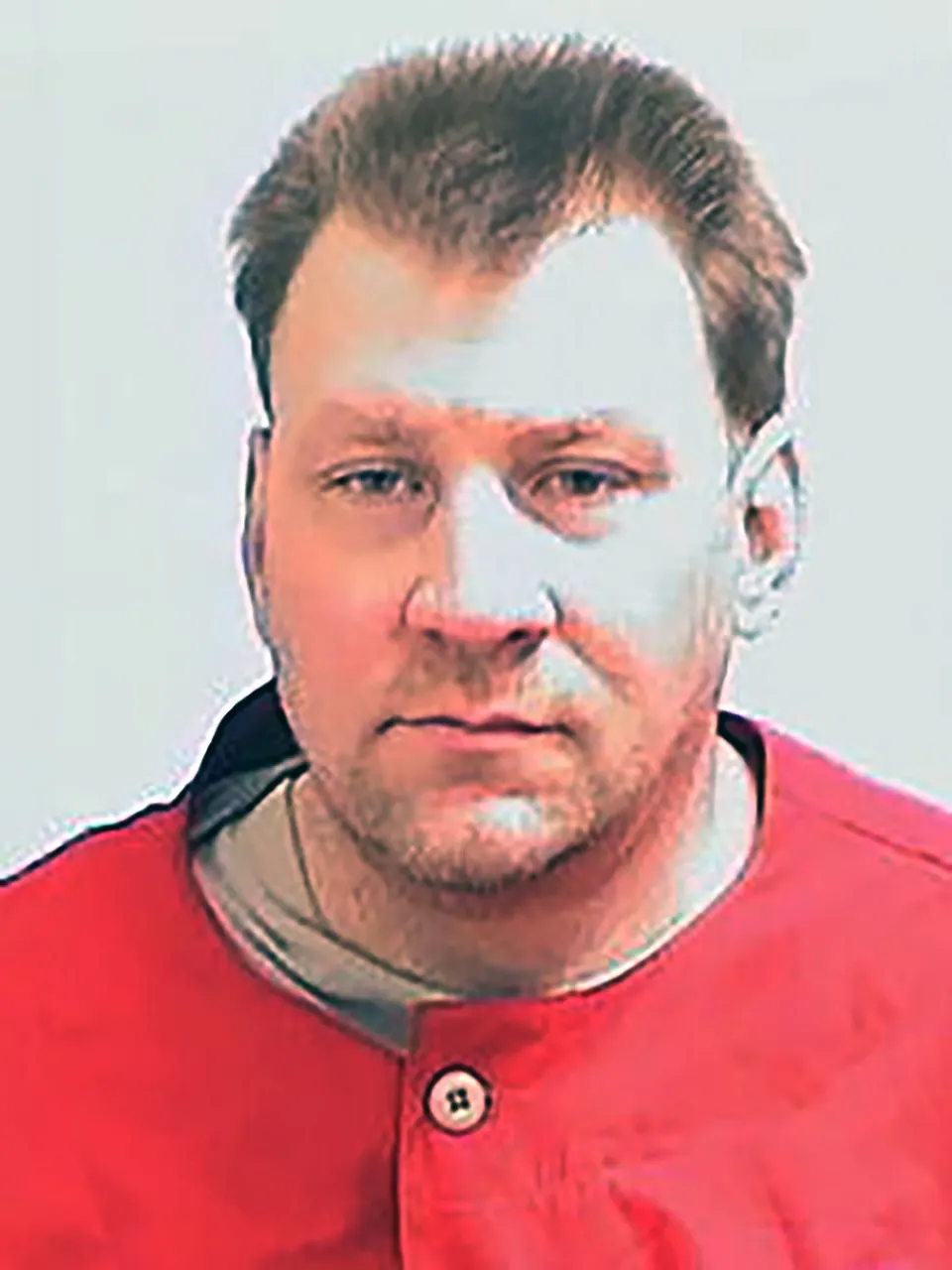
Indiana executed Jeffrey Weisheit early on Thursday, the first of three people scheduled to be put to death in the US that day. The executions come amid renewed scrutiny of capital punishment after a failed execution in Tennessee, while courts have rejected attempts to halt other scheduled deaths.
Weisheit, 50, was convicted of setting a 2010 house fire that killed his girlfriend’s children, aged eight and five; he was pronounced dead at 12.45am at Indiana State Prison. Florida also planned to execute Jesse Guardado, convicted of killing a woman in 2004, and Alabama planned to execute Michael Taylor, who was 19 when he killed an older couple during a robbery. Florida’s execution would bring its total for the year to 19, matching its 2025 record; the article says it has carried out more than half of the 32 US executions so far this year.
In short
- Indiana carried out the first of three executions scheduled for one day.
- Weisheit was convicted over a 2010 fire that killed two children.
- Florida and Alabama also planned executions amid renewed scrutiny.
Steelman: both sides, in good faith
The strongest fair case each way — we don't pick a winner.
The case for
Supporters argue that the death penalty can deliver proportionate justice for exceptionally grave, deliberate killings and recognise the harm done to victims and their families. They may also see carrying out lawful sentences after appeals as upholding the authority of courts and the choices made by elected governments.
The case against
Opponents argue that execution is irreversible, so any error or unfairness in a conviction or sentencing cannot be corrected. Renewed scrutiny after a failed execution also strengthens concerns about the risks and humanity of the procedure; they contend that public safety and accountability can be pursued without putting people to death.
Explained simply
The death penalty allows the state to execute someone convicted of certain serious crimes. In the US, it is carried out under state law, so the rules and procedures vary between states.
Indiana, Florida and Alabama each had an execution scheduled for the same day. The people involved were convicted in separate cases, and courts had rejected efforts to stop the other scheduled executions.
Executions can draw renewed scrutiny when questions arise about how they are carried out. The scheduled deaths also form part of a wider debate about the use of capital punishment in the US.