India’s CJP protests: Why tech alone won’t stop exam paper leaks
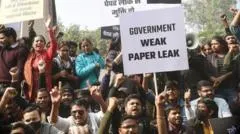
Weeks of protests over leaked question papers in India's National Eligibility cum Entrance Test (NEET), the country's main medical entrance exam, forced the resignation of education minister Dharmendra Pradhan and prompted Prime Minister Narendra Modi to set up an expert task force, led by Infosys co-founder Nandan Nilekani, to overhaul the National Testing Agency. Modi has proposed switching to computer-based testing to improve security, but India's Supreme Court, while welcoming the reform effort, warned that digitising exams alone would not stop leaks, since the underlying problem is one of trust, governance and incentives rather than technology.
Comparing NEET leaks in 2024 and 2026 shows why the fix is not straightforward: in 2024 the paper was reportedly leaked after printing, when sealed trunks were opened in transit, a breach investigators said involved only 40-50 people and which the Supreme Court ruled did not compromise the exam overall. In 2026, the leak allegedly occurred earlier, from within the NTA itself, with teachers accused of leaking the paper before it left the system. Task force member Professor V Kamakoti of IIT Madras says trust ultimately rests with the teachers who set papers and the invigilators who supervise candidates, and while CCTV and AI monitoring could strengthen invigilation, he argues computer-based testing—drawing on more than a decade of experience running large-scale digital exams—would make the system significantly harder to compromise. Protesters say more than 20 students have died by suicide, which their families link to the exam scandal.
In short
- NEET exam leaks in India sparked deadly protests and a minister's resignation.
- Modi's task force is pushing computer-based testing to curb leaks.
- Supreme Court warns tech alone won't fix trust and governance failures.
Steelman: both sides, in good faith
The strongest fair case each way — we don't pick a winner.
The case for
Moving NEET to computer-based testing could reduce risks tied to printing, transport and physical custody of papers, while making large-scale exams harder to compromise. Supporters argue that digital delivery, alongside CCTV and AI monitoring, can strengthen security and help restore confidence after repeated leaks, provided safeguards also address staff access and oversight.
The case against
Digitisation cannot by itself prevent leaks if people inside the testing agency or exam centres can access and disclose questions. Critics argue that lasting confidence depends on trustworthy governance, clear accountability and better incentives for paper setters and invigilators; the different alleged breach points in 2024 and 2026 suggest that security must cover the whole process, not just delivery.
Explained simply
NEET is India's most competitive medical entrance examination, taken by hundreds of thousands of students seeking places at medical colleges. Recent leaks of question papers before and during the exam have sparked sustained protests, with demonstrators concerned about the impact on fairness of a test that determines admission to one of the country's most sought-after professions.
The leaks have occurred at different stages: in 2024 the papers were reportedly breached during transit from the National Testing Agency, whilst in 2026 the breach allegedly occurred within the agency itself with teachers accused of leaking the papers. The crisis forced the resignation of India's education minister and prompted Prime Minister Narendra Modi to establish a task force, led by Infosys co-founder Nandan Nilekani, to reform the agency and prevent future leaks.
The proposed solution is to move towards computer-based testing, which officials argue would be harder to compromise. However, India's Supreme Court has cautioned that technology alone cannot solve the problem, since the real issue lies in governance, institutional trust and the incentives that lead people to leak papers in the first place. Experts point out that any exam system ultimately depends on the integrity of those who set and administer papers, and that no amount of digital monitoring can fully replace human trustworthiness in these roles.