World news and discussion on TalkFuse.
India’s Deepavali gold buyers opt for lighter jewellery, exchange old pieces amid high prices
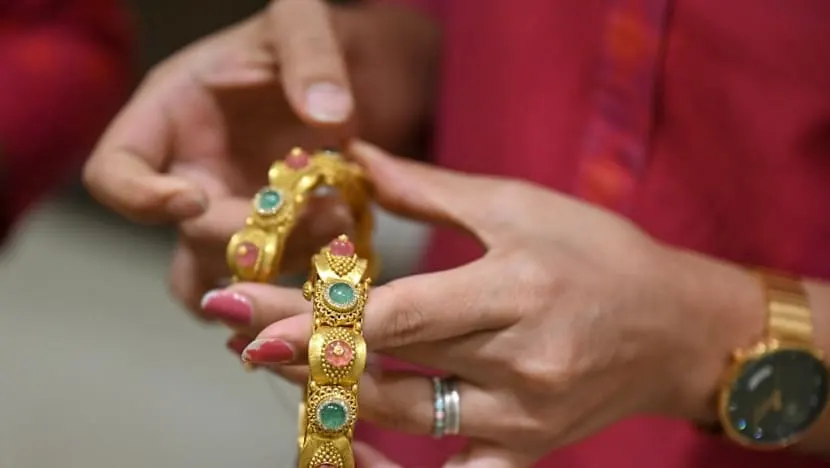
Indian buyers are still purchasing gold for Deepavali, but high prices are leading many to choose lighter jewellery or exchange old pieces. The trend matters because gold is both a traditional festive gift and a major investment, while weaker jewellery demand is weighing on India’s overall gold market.
Gold has fallen from nearly US$5,600 an ounce in January to around US$4,000, yet a weaker rupee and a rise in import duty from 6 to 15 per cent have kept domestic prices high. Jewellery demand by weight fell 20 per cent year on year to just under 100 tonnes in July to September, although spending rose 16 per cent to 1.49 trillion rupees (US$16 billion). The World Gold Council expects demand to reach a six-year low in 2026, but anticipates festive and wedding purchases may support the final quarter.
In short
- Buyers are opting for lighter jewellery or exchanging old gold.
- Jewellery demand by weight fell 20 per cent in the third quarter.
- Festive and wedding purchases may lift demand later this year.
Steelman: both sides, in good faith
The strongest fair case each way — we don't pick a winner.
The case for
Buying lighter jewellery or exchanging old pieces lets families honour Deepavali traditions while managing high prices. Gold remains both a meaningful gift and a store of value, and continued festive and wedding purchases may support demand even as buyers spend more selectively.
The case against
High prices are making gold jewellery less accessible and have contributed to a sharp fall in demand by weight, weakening a market important to India’s gold trade. Lighter purchases and exchanges may help households cope, but they do not remove the pressure on buyers or guarantee that festive spending will offset the broader decline.