India’s Modi government under growing pressure as ‘cockroach’ protests intensify
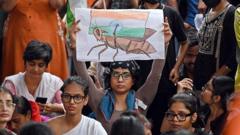
Pressure is mounting on Indian Prime Minister Narendra Modi's government as youth-led "Cockroach Janta Party" (CJP) protests in Delhi show no sign of easing, despite heavy overnight rain. The movement, demanding education reforms and the resignation of Education Minister Dharmendra Pradhan, gained fresh momentum on Tuesday when opposition Congress party leaders joined the cause, marching to the prime minister's residence in protest at a violent police crackdown the previous day.
On Monday, tens of thousands marched towards parliament as the monsoon session opened, prompting police to use batons and tear gas; at least 60 people were injured and protest infrastructure at Jantar Mantar was dismantled, though demonstrators refused to leave. Congress MP Rahul Gandhi and other leaders were dragged into police buses and briefly detained during Tuesday's protest outside Modi's house, with Congress president Mallikarjun Kharge demanding the resignations of Pradhan, Home Minister Amit Shah and Modi himself. The government has rejected accusations of stonewalling debate, with Pradhan accusing Congress of "exploiting students as political tools", while Gandhi says he was denied a parliamentary discussion on the issue.
In short
- Delhi's "Cockroach" protests over education reform persist despite police crackdown
- Congress leaders, including Rahul Gandhi, briefly detained after marching on Modi's residence
- Monday's clashes injured at least 60; protesters demand minister Pradhan's resignation
Steelman: both sides, in good faith
The strongest fair case each way — we don't pick a winner.
The case for
Protesters and their supporters argue that the education system requires genuine reform and that student concerns deserve serious parliamentary attention rather than dismissal. They contend that the police response—using tear gas and batons against peaceful demonstrators—was disproportionate and undermines the right to democratic protest. From this perspective, the government's characterisation of the movement as Congress-orchestrated political exploitation dismisses legitimate youth grievances and prevents the substantive policy dialogue that accountability requires.
The case against
The government's position holds that whilst education discussions merit attention, the timing and coordination with Congress party involvement suggests political opportunism rather than organic grassroots activism. Officials argue that the police response was proportionate to maintaining public order when tens of thousands marched toward parliament during a sensitive legislative session, and that responsible governance sometimes requires distinguishing between genuine policy debate and politically-motivated demonstrations. From this view, sound education policy requires expert analysis and parliamentary processes, not street pressure designed primarily to embarrass the incumbent administration.
Explained simply
India’s education system is overseen by the central government, with Dharmendra Pradhan serving as education minister and Narendra Modi as prime minister. Students and young people involved in the Cockroach Janta Party protests are calling for changes to education policy and for Pradhan to leave office.
The protests have brought the government into conflict with opposition parties, including Congress, led by Mallikarjun Kharge, whose senior figure Rahul Gandhi is also a prominent critic of Modi. The dispute centres on students’ demands and whether they have had a chance to raise them in parliament. It matters because it has become a wider test of how the government handles public protest and political opposition.
Art Asia Culture Government Politics World